I recently decided to do a little research on the world’s healthiest countries. The research can be a little complex as there are several studies that choose rankings. I chose to go with the “Bloomberg Healthiest Countries Index.” This was a 2019 study where the rankings were based on: Health risks (tobacco use, high blood pressure, obesity); Availability of clean water; Average life expectancy; Malnutrition; and Causes of death.
The country of Slovenia Ranks 24th in the list with a score of 82.72. A previous blog covers Denmark’s healthy nation and here is a link:
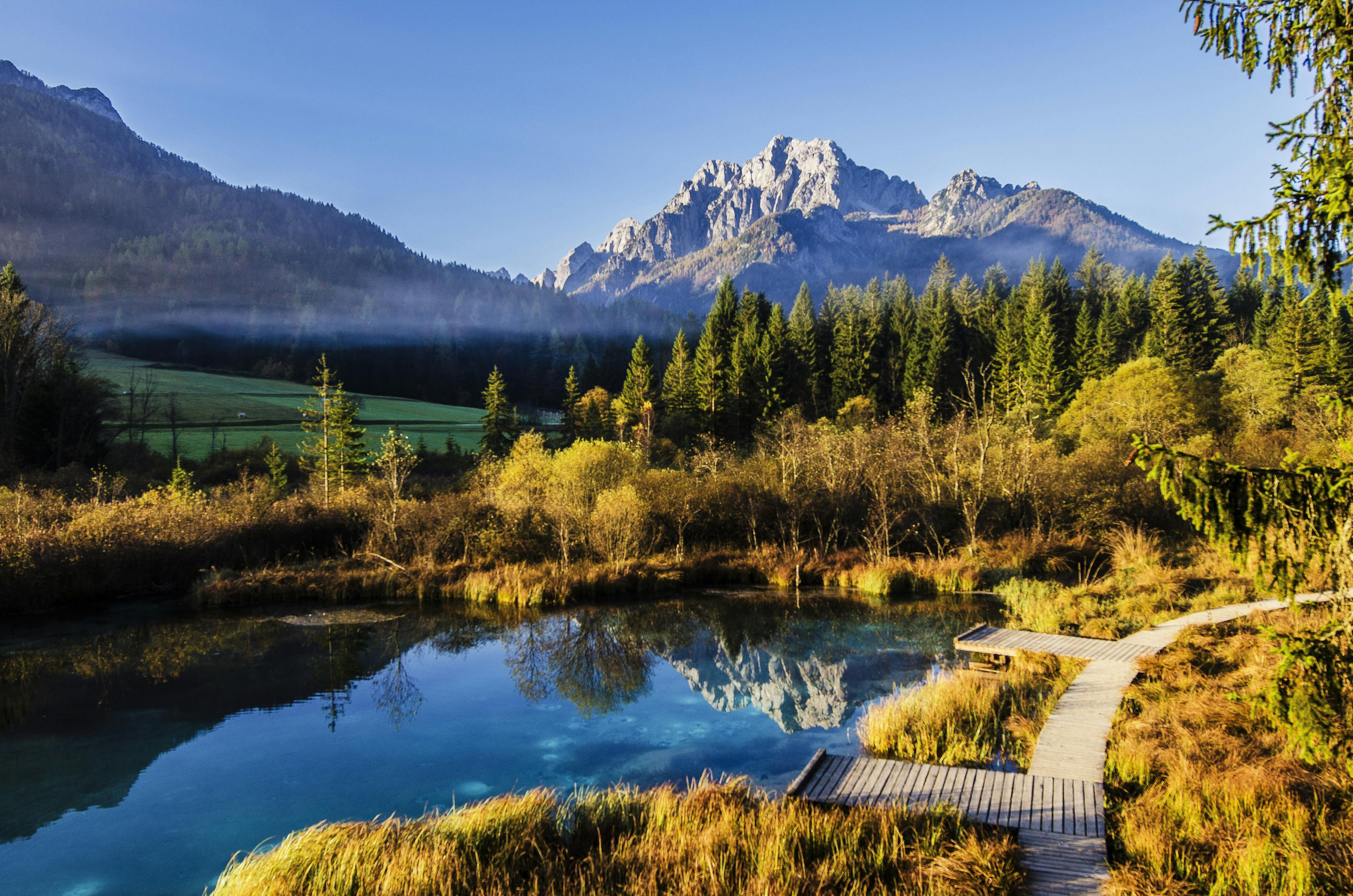
When people think of healthy countries in Europe, places like Switzerland, Denmark, or Sweden often come to mind. But tucked between the Alps, the Adriatic Sea, and rolling wine country lies Slovenia—a small Central European nation that consistently ranks high in health and quality of life. With a population of just over 2 million, Slovenia may not be on everyone’s radar, but it should be. The country has made a name for itself as one of the healthiest in Europe, boasting high life expectancy, strong healthcare, and a lifestyle deeply connected to nature and tradition.
So, what makes Slovenia such a standout in health? Let’s explore the habits, foods, and cultural practices that help Slovenians thrive.

Kamenstein Revolving Spice Rack. Comes with spices that you can refill for free for up to 5 years!
Why Slovenia Ranks High in Health
Several global health indexes show Slovenia near the top when it comes to life expectancy, healthcare access, and overall well-being. Slovenians enjoy an average life expectancy of around 82 years—higher than many Western nations, including the United States. The reasons are rooted in a combination of factors:
- Universal healthcare system: Slovenia offers universal healthcare with a strong emphasis on preventative medicine. Regular checkups, screenings, and health education programs help keep chronic diseases lower than in many other countries.
- Low pollution and clean environment: Surrounded by mountains, forests, and rivers, Slovenia has some of the cleanest air and water in Europe. More than half of the country is covered in forest, which directly supports better air quality and encourages outdoor living.
- Active lifestyles: Slovenians grow up hiking, skiing, cycling, and swimming. With the Julian Alps to the north and the Adriatic coast to the southwest, physical activity is woven into daily life.
- Balanced diet: While hearty, traditional Slovenian food is balanced with plenty of fresh vegetables, whole grains, and dairy products.
Together, these factors create a strong foundation for both physical and mental well-being.

The Slovenian Lifestyle: Blending Tradition with the Outdoors
Slovenian life is closely tied to the natural environment. Unlike many modern societies that lean heavily on fast-paced urban living, Slovenia’s rhythm is slower, rooted in balance.
- Outdoor culture
Hiking is almost a national pastime. It’s common to see families heading to the mountains on weekends, whether for a light walk or a multi-day trek. Skiing is also hugely popular, especially in winter, while cycling has boomed in popularity thanks to Slovenian world-class athletes like Tadej Pogačar, who’ve inspired the nation. - Work-life balance
Slovenians value balance between work and leisure. Long meals, holidays, and time spent with family are priorities. Unlike some cultures that glorify constant busyness, Slovenians make space for relaxation, time in nature, and social connection—all linked to lower stress levels. - Connection to tradition
Even as modern foods and habits enter the country, Slovenians preserve a deep appreciation for their culinary and cultural heritage. Local festivals, seasonal celebrations, and traditional recipes passed down through generations strengthen both identity and community well-being.

Blue Zones Kitchen 100 Recipes to Live to 100, by Dan Buettner.
Foods Slovenians Regularly Eat
Slovenia’s cuisine reflects its geography—blending Mediterranean influences from Italy, Alpine traditions from Austria, and heartier Eastern European flavors from Hungary and the Balkans. The result is a balanced and nourishing diet.
Here are some staples of the Slovenian table:
1. Fresh Vegetables and Seasonal Produce
Slovenians enjoy a diet rich in seasonal vegetables, much of it grown locally. Farmers’ markets are central to everyday life, where people pick up fresh greens, root vegetables, beans, and herbs. Cabbage, turnips, and potatoes are staples in winter, while tomatoes, peppers, and zucchini flourish in summer.
2. Whole Grains and Breads
Bread is a big part of Slovenian meals, often made with rye, buckwheat, or corn. Buckwheat, in particular, is cherished for its earthy taste and health benefits. Dishes like žganci (buckwheat spoonbread) are not only traditional but also nutrient-dense.
3. Dairy and Fermented Foods
Slovenia has a long tradition of cheese- and yogurt-making, especially in Alpine regions. Fermented dairy provides probiotics for gut health. Sour milk and kefir are also popular.
4. Fish and Lean Meats
Thanks to Slovenia’s small Adriatic coastline and many rivers, fish such as trout and sardines are part of the diet. Poultry, pork, and game meats are eaten in moderation, often paired with vegetables and grains rather than in overly large portions.
5. Legumes and Hearty Soups
Soups and stews are an everyday comfort food in Slovenia. Lentil soup, bean soup, and barley-based stews are nutrient-rich and keep people fueled for active lifestyles.
6. Olive Oil and Mediterranean Flavors
In the southwestern region near the coast, olive oil, wine, and fresh seafood add a Mediterranean touch. This contributes to a heart-healthy diet rich in healthy fats and antioxidants.
7. Traditional Desserts in Moderation
Slovenians do enjoy sweets, but often in moderation and made with natural, local ingredients. The famous potica—a rolled pastry filled with walnuts, honey, or poppy seeds—is a holiday favorite.

Misfits Market. Grocery delivery service that delivers produce and many other types of grocery items!
Habits That Support Longevity
Food alone doesn’t explain Slovenia’s health. Their habits also play a huge role:
- Eating at home: Most Slovenians cook meals at home rather than relying on fast food. Meals are social occasions, not rushed experiences.
- Moderation: Even when enjoying rich foods, portions are generally smaller and balanced with fresh produce.
- Active commuting: Walking and cycling are common forms of transportation, especially in smaller towns.
- Strong community ties: Social connection is a powerful factor in longevity, and Slovenians maintain strong family and community networks.

human Super Beets. Great for your health in many ways!
What Other Countries Can Learn from Slovenia
Slovenia may be small, but its health success story offers lessons that can be applied anywhere:
- Prioritize nature and movement: Make outdoor activity a normal part of daily life, not just an occasional workout.
- Eat local and seasonal: Farmers’ markets and seasonal cooking provide better nutrition and connection to food sources.
- Value balance: Stress reduction through socializing, leisure, and family time is just as important as diet and exercise.
- Preserve tradition: Keeping cultural foods and practices alive supports both identity and well-being.

Final Thoughts
Slovenia is more than a picturesque destination of lakes and mountains—it’s a model for health and well-being. With its clean environment, strong healthcare system, outdoor culture, and diet rich in seasonal, local foods, Slovenians embody the kind of balanced lifestyle that leads to long, fulfilling lives.
For those looking to improve their own health, Slovenia offers a reminder: eat simply, move often, connect with others, and live in harmony with nature. Sometimes the secrets to longevity are not complicated at all—they’re just rooted in the way we choose to live every day.
Resources:
Spain Is Considered Healthiest Country, According to New Report





Leave a Reply