

The power of protein. Walk into any gym, scroll through a fitness influencer’s page, or browse the health food aisle of your local grocery store, and you’ll see it everywhere—protein shakes, bars, powders, cookies, pancakes, and even chips. Protein is the reigning superstar of the nutrition world, and it’s not just a trend. From building muscle to supporting metabolism, protein plays a vital role in how your body functions and thrives.
So why exactly is protein so popular—and is more always better? Let’s dive into what makes protein essential, how to use it effectively, and which supplements enhance its benefits.

Why Is Protein So Popular in Fitness Products and Recipes?
Protein has become a staple in fitness culture for one main reason: muscle growth and recovery.
When you work out—especially during strength training—you create small tears in your muscle fibers. It’s protein that swoops in to repair and rebuild those muscles, making them stronger over time. That’s why athletes and gym-goers turn to protein-rich snacks and shakes after exercise.

PRO 100% Whey Chocolate Supreme. GNC Topseller
Beyond muscle repair, protein helps:
- Boost metabolism through the thermic effect of food (your body burns more calories digesting protein than carbs or fat)
- Stabilize blood sugar by slowing digestion
- Keep you full longer, helping with weight management
- Preserve lean muscle during weight loss
Protein-rich recipes have become especially popular for those following diets like keto, paleo, or low-carb, where protein and fat are emphasized over carbohydrates. Protein power! From protein pancakes to chickpea pastas, high-protein versions of everyday meals make it easier for people to meet their fitness and nutritional goals without sacrificing taste.

Beyond the Gym: Why Your Body Craves Protein
While its role in fitness is undeniable, protein’s importance extends far beyond building biceps. It’s a fundamental nutrient involved in virtually every bodily process, acting as the ultimate multi-tasker.
Enzymes and Hormones: Many enzymes, which facilitate countless biochemical reactions in your body, are proteins. Similarly, many hormones, the chemical messengers that regulate everything from metabolism to mood, are also protein-based. Without sufficient protein, these crucial functions would grind to a halt.
Tissue Repair and Maintenance: It’s not just muscles! Protein is vital for the repair and maintenance of all your body’s tissues, including skin, hair, nails, organs, and bones. Every day, your body is constantly breaking down and rebuilding cells, and protein is the raw material for this continuous process. Think of it as the ultimate repair crew for your entire body.

LIT Gummy worm flavor. GNC Top seller
Immune Function: Antibodies, the specialized proteins that identify and neutralize harmful invaders like bacteria and viruses, are a cornerstone of your immune system. Adequate protein intake is essential for a robust immune response, helping you fight off illness and stay healthy.
Oxygen Transport: Hemoglobin, the protein in red blood cells that carries oxygen from your lungs to the rest of your body, is critical for life. Without enough protein, your body can’t produce enough hemoglobin, leading to fatigue and weakness.
Fluid Balance: Proteins play a key role in maintaining proper fluid balance within your body’s cells and tissues. This helps prevent swelling and ensures that nutrients are delivered efficiently.
Protein Power!
The Art of Protein Intake: Timing and Complementary Supplements
Is there a “special way” to take protein? While the specific timing of protein intake, often referred to as the “anabolic window,” has been a hot topic, current research suggests that your total daily protein intake is more important than pinpoint timing. However, distributing your protein intake throughout the day can be beneficial for consistent muscle protein synthesis and satiety. Aim for 20-40 grams of protein per meal, depending on your individual needs and activity level.

Barebells Creamy Crisp Protein Bars
As for complementary supplements, several can work synergistically with protein to enhance your fitness journey:
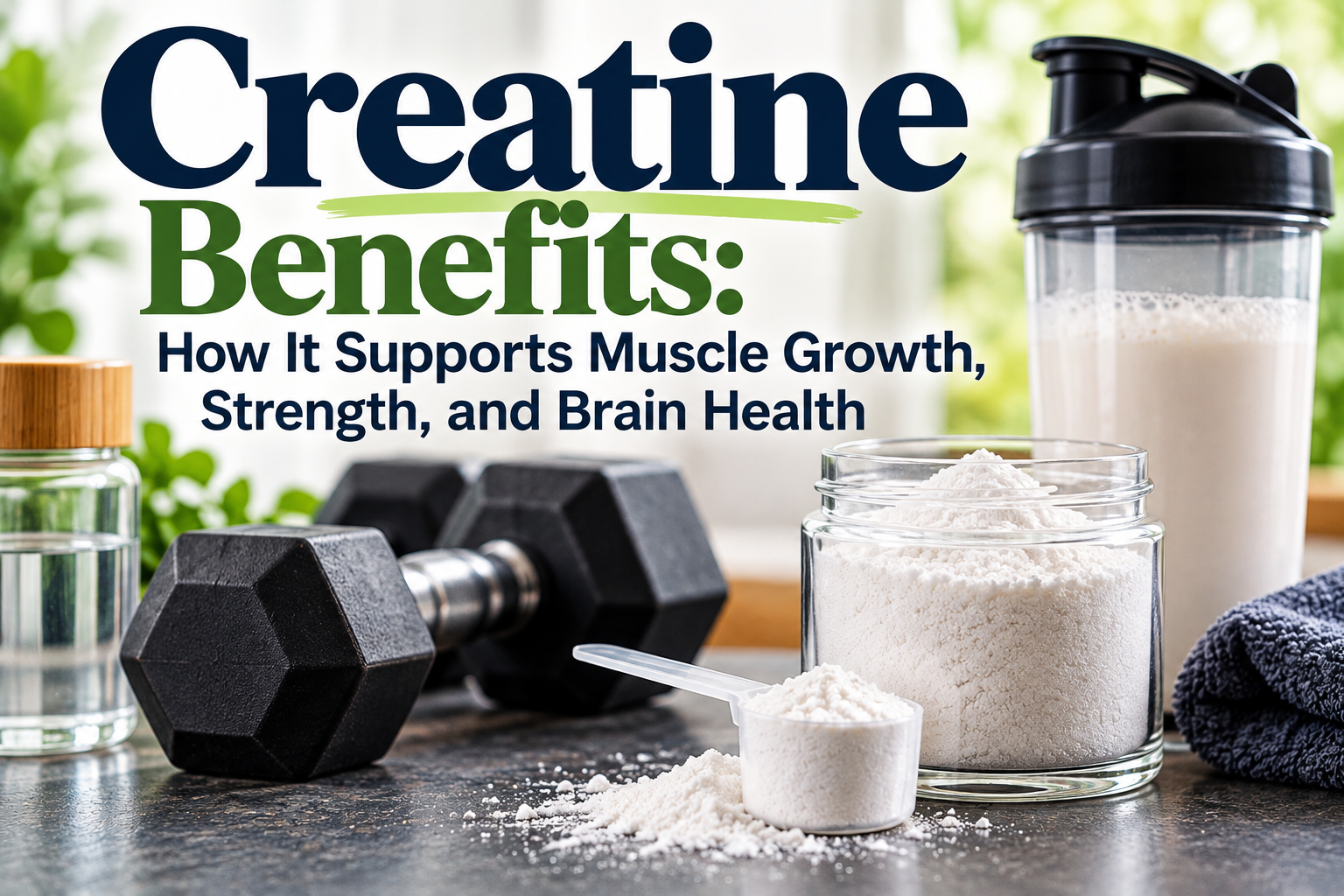
- Creatine: This widely researched supplement helps your body produce ATP, the primary energy currency for muscle contractions. When combined with protein and resistance training, creatine can significantly boost strength, power, and muscle mass. Think of it as protein’s powerful training partner.
- Branched-Chain Amino Acids (BCAAs): Leucine, isoleucine, and valine are three essential amino acids that are particularly important for muscle protein synthesis and reducing muscle breakdown during exercise. While a complete protein source provides all BCAAs, supplementing them can be beneficial for some, especially during intense training.
- Omega-3 Fatty Acids: These healthy fats, found in fish oil, have anti-inflammatory properties that can aid in recovery from intense workouts and support overall joint health, complementing protein’s role in tissue repair.
- Vitamins and Minerals: While not directly “complementary” in the same way as creatine, ensuring adequate intake of vitamins and minerals is crucial for your body to efficiently utilize protein and for overall health and performance. Think of a multivitamin as the essential supporting cast for your protein superstar.
Exciting Ways to Add More Protein to Your Diet
Protein doesn’t have to be boring. Try these fun, fitness-friendly recipes:
- Protein Pancakes: Blend oats, banana, eggs, and protein powder for a fluffy, high-protein breakfast.
- Chickpea Snack Balls: Mix mashed chickpeas, almond butter, chia seeds, and chocolate chips into protein-packed bites.
- Savory Protein Muffins: Combine eggs, spinach, cheese, and diced turkey in muffin tins for grab-and-go breakfast muffins.
- Cottage Cheese Bowls: Top with pineapple, berries, and nuts for a sweet, protein-rich snack.

Final Thoughts:
Whether you’re an athlete, a busy parent, or someone looking to age well, protein is essential for building strength, staying full, and supporting your body’s daily functions. It’s no wonder it has such a central role in fitness and health. Protein Power!
But like anything in nutrition, balance is key. Listen to your body, diversify your sources, and remember—protein works best when it’s part of a well-rounded lifestyle that includes whole foods, movement, and hydration. The recommended amount of protein ranges from 0.7 to 1 gram of protein per pound of body weight. Doing more than 2 grams per pound has the potential to cause kidney problems.

So next time you see that protein bar or shake, don’t just think “muscles”—think energy, resilience, and vitality.
I am an affiliate marketer who uses affiliate links. Any support you give is appreciated! Please comment, like, and subscribe! Have a wonderful day!





Leave a Reply