
In recent years, the term “inflammation” has moved from medical journals to mainstream headlines—and for good reason. Chronic inflammation is increasingly linked to a wide array of modern illnesses, including heart disease, diabetes, arthritis, Alzheimer’s, and even certain cancers. While inflammation is a natural defense mechanism in the body, when it becomes chronic, it can silently damage tissues and organs over time. And of course, an anti-inflammatory diet was eventually developed.
Enter the Anti-Inflammatory Diet, an eating pattern specifically designed to reduce inflammation and promote long-term health. But what exactly does this diet entail? Is it just another wellness trend, or is there real science behind it?
Let’s explore what the Anti-Inflammatory Diet is, who it’s for, what foods it emphasizes, and how it compares to other popular diets.

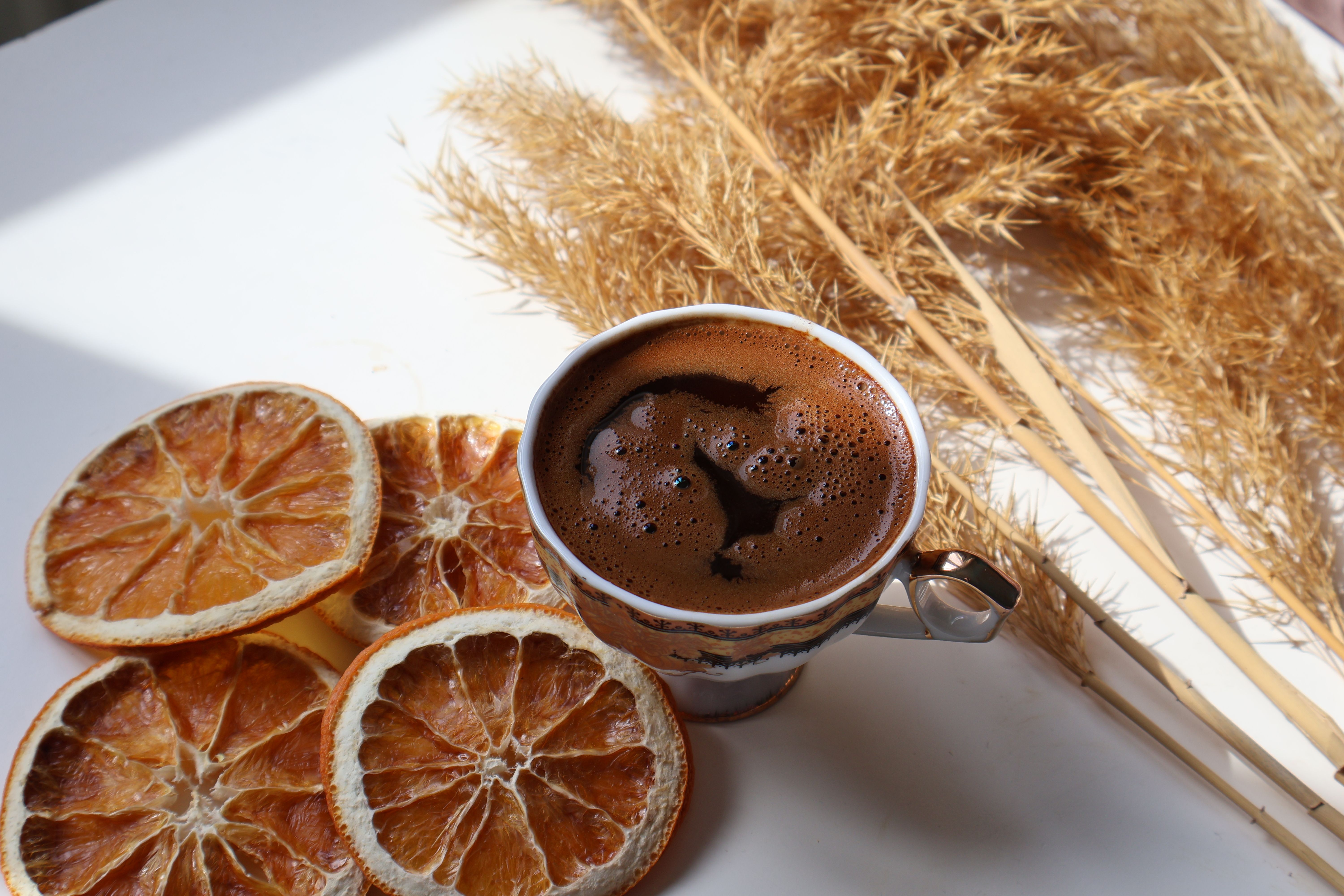
The Anti-Inflammatory Cookbook: Boost Your Immune System, Detox Your Body, Over 100 Recipes. Recipes for snacks, sides, meals, and desserts that will keep your mind and body feeling good. Tools and techniques for using a slow cooker, air fryer, blender, and more in order to prepare a great meal. A foundation for understanding the relationship between inflammation and diet. Tips for choosing quality ingredients to make a delicious meal without compromising taste, texture, or nutrition. A complete guide on how to focus on fruits and vegetables, whole grains, plant-based proteins, fatty fish, and other ingredients high in natural antioxidants and polyphenols, including coffee.
What is the Anti-Inflammatory Diet?
At its core, the Anti-Inflammatory Diet is not a “diet” in the conventional sense. Rather, it’s a lifestyle approach to eating that emphasizes nutrient-rich, whole foods believed to reduce inflammation in the body.
Originally popularized by Dr. Andrew Weil, the diet is grounded in the principles of traditional Mediterranean and Asian eating patterns. It’s based on the idea that certain foods can either trigger or tame the body’s inflammatory response, and by focusing on the latter, you may prevent or even alleviate chronic health conditions.
This diet isn’t focused on weight loss—although many followers do lose weight—it’s primarily designed to optimize health, increase energy, and prevent disease. The diets that it is comparable to are: The Mediterranean Diet, The Dash Diet, the MIND Diet, and the Plant-Based Diet.
What Is It Known For?
The Anti-Inflammatory Diet is known for its:
- Chronic disease prevention: Especially in conditions like heart disease, type 2 diabetes, and autoimmune disorders.
- Joint and muscle pain relief: Due to its emphasis on omega-3s and antioxidants, it may reduce symptoms of arthritis and other inflammatory pain.
- Brain health benefits: Diets rich in anti-inflammatory foods have been linked to improved cognitive function and reduced risk of Alzheimer’s disease.
- Energy and well-being: Many report more consistent energy levels and better digestion.

Misfits Market. Get “misfitted produce,” delivered to your door! Still healthy and at a good price!
Who Should Follow It?
This diet can benefit almost anyone, but it’s especially helpful for people who:
- Have autoimmune diseases (e.g., lupus, rheumatoid arthritis)
- Struggle with inflammatory conditions (e.g., asthma, IBS, psoriasis)
- Experience joint pain or muscle inflammation
- Are concerned about heart health or metabolic syndrome
- Want to support long-term cognitive function
That said, you don’t need a medical diagnosis to benefit. Even healthy individuals can use the Anti-Inflammatory Diet to support better sleep, mood, energy, and overall wellness.
What Foods Do People Usually Eat?
The Anti-Inflammatory Diet is largely based on whole, unprocessed foods that are high in nutrients, fiber, healthy fats, and antioxidants. Here’s a breakdown:
✅ Foods to Embrace:
1. Fruits and Vegetables:
Colorful produce is the foundation of this diet. Berries, leafy greens, tomatoes, broccoli, squash, and bell peppers are loaded with antioxidants that fight inflammation.
2. Healthy Fats:
Focus on sources of omega-3 fatty acids, such as:
- Fatty fish (salmon, sardines, mackerel)
- Flaxseeds and chia seeds
- Walnuts
- Extra-virgin olive oil
3. Whole Grains:
Choose minimally processed grains like:
- Quinoa
- Brown rice
- Oats
- Barley
- Buckwheat
4. Plant-Based Proteins and Legumes:
Lentils, black beans, chickpeas, tofu, and tempeh provide protein without the saturated fats found in red meats.
5. Herbs and Spices:
Turmeric, ginger, garlic, cinnamon, and chili peppers have natural anti-inflammatory compounds.
6. Green and Herbal Teas:
Green tea is rich in epigallocatechin gallate (EGCG), an antioxidant with anti-inflammatory effects.
7. Fermented Foods (for gut health):
Yogurt, kefir, sauerkraut, kimchi, and miso promote a healthy gut microbiome, which plays a role in regulating inflammation.
❌ Foods to Avoid:
1. Refined Carbohydrates and Sugars:
White bread, pastries, soda, and candy cause spikes in blood sugar, triggering inflammation.
2. Processed and Red Meats:
These contain saturated fats and chemicals that promote inflammation.
3. Fried Foods and Trans Fats:
Found in fast food, packaged snacks, and margarine.
4. Highly Processed Packaged Foods:
High in preservatives, artificial ingredients, and low in nutrients.
5. Excessive Alcohol:
Moderate alcohol (especially red wine) may be okay, but too much can fuel inflammation.

Food for Thought: Wellness Planner. Food is powerful. That’s why our new Wellness Planner is all about it! Inside you’ll find everything from personal stories and recipes to daily check-ins, notes pages, and a produce guide. There’s even a choose your own salad adventure quiz. Hungry yet?
Is It Known to Be Effective?
The Anti-Inflammatory Diet has growing scientific support:
- Heart Health: Studies show that diets high in anti-inflammatory foods lower markers like C-reactive protein (CRP), a key inflammation indicator linked to heart disease.
- Diabetes and Metabolic Health: Reducing inflammatory foods can improve insulin sensitivity and help regulate blood sugar.
- Cognitive Function: Anti-inflammatory foods like berries, green leafy vegetables, and fish are associated with lower risk of dementia and cognitive decline.
- Autoimmune Diseases: Although not a cure, the diet may help reduce flare-ups and symptoms in diseases like rheumatoid arthritis, lupus, and psoriasis.
- Weight Management: While not designed for weight loss, many people lose weight due to improved food quality and portion control.
However, it’s important to note that individual results vary, and the effectiveness of the diet depends on consistency and overall lifestyle.
The Bottom Line: Should You Try It?
If you’re looking for a sustainable, balanced, and health-promoting way of eating, the Anti-Inflammatory Diet is one of the best choices available. It’s not a quick fix, nor does it rely on gimmicks or deprivation. Instead, it encourages people to return to whole, natural foods that work in harmony with the body.
While it may not “cure” disease, it can support healing, reduce pain, and improve quality of life over time. Plus, it’s flexible and can be tailored to vegetarian, gluten-free, or low-carb lifestyles. In a world of fast food, chronic stress, and sedentary habits, an anti-inflammatory lifestyle might just be the reset your body needs.

Hamilton Beach® 6 Quart Programmable Defrost Slow Cooker with Temperature Probe, Dishwasher Safe Crock & Glass Lid
A Few Anti-Inflammatory Recipes
1. Turmeric Chickpea & Quinoa Bowl
Ingredients:
- 1 cup cooked quinoa
- 1 cup canned chickpeas, rinsed and drained
- 1 cup steamed broccoli
- 1/2 avocado, sliced
- 1 handful baby spinach or arugula
- 1/2 tsp turmeric
- 1/4 tsp cumin
- 1 tbsp olive oil
- Juice of 1/2 lemon
- Salt and pepper to taste
Instructions:
- In a skillet, heat olive oil and sauté chickpeas with turmeric, cumin, salt, and pepper for 3–4 minutes.
- In a bowl, layer quinoa, greens, broccoli, and chickpeas.
- Top with avocado slices and a squeeze of lemon juice.
Why it works:
Turmeric is a powerful anti-inflammatory spice, and the fiber from quinoa and chickpeas supports gut health.
3. Baked Salmon with Avocado Salsa
Ingredients:
- 2 salmon fillets
- 1 tbsp olive oil
- 1/2 tsp smoked paprika
- Salt and pepper to taste
For the avocado salsa:
- 1 ripe avocado, diced
- 1/4 cup red onion, finely chopped
- 1/2 jalapeño, minced
- Juice of 1 lime
- 1 tbsp chopped cilantro
Instructions:
- Preheat oven to 400°F (200°C). Place salmon on a baking sheet, drizzle with olive oil, sprinkle with paprika, salt, and pepper.
- Bake for 12–15 minutes, or until cooked through.
- Meanwhile, mix avocado salsa ingredients in a bowl.
- Serve salmon topped with the fresh salsa.
Why it works:
Salmon is loaded with omega-3s, which are known to combat inflammation. Avocados add healthy fats and fiber.
Kale & Sweet Potato Salad with Lemon-Tahini Dressing
Ingredients:
- 2 cups chopped kale (massaged with olive oil)
- 1 small sweet potato, roasted and cubed
- 1/4 cup cooked quinoa
- 1 tbsp pumpkin seeds
- 1 tbsp dried cranberries (optional)
For the dressing:
- 2 tbsp tahini
- 1 tbsp lemon juice
- 1 tbsp water
- 1 tsp maple syrup
- Pinch of salt
Instructions:
- Roast sweet potato at 400°F (200°C) for 20–25 minutes.
- Massage kale with olive oil until tender.
- Mix dressing ingredients together.
- Combine all salad components and drizzle with dressing.
Why it works:
Kale and sweet potatoes are anti-inflammatory powerhouses, and tahini provides healthy fats and magnesium.
I am an affiliate marketer who uses affiliate links. Any support you give is greatly appreciated! Please leave any kind of comment. Are you on any kind of diet? Do you have any anti-inflammatory suggestions you would like to add?



Leave a Reply