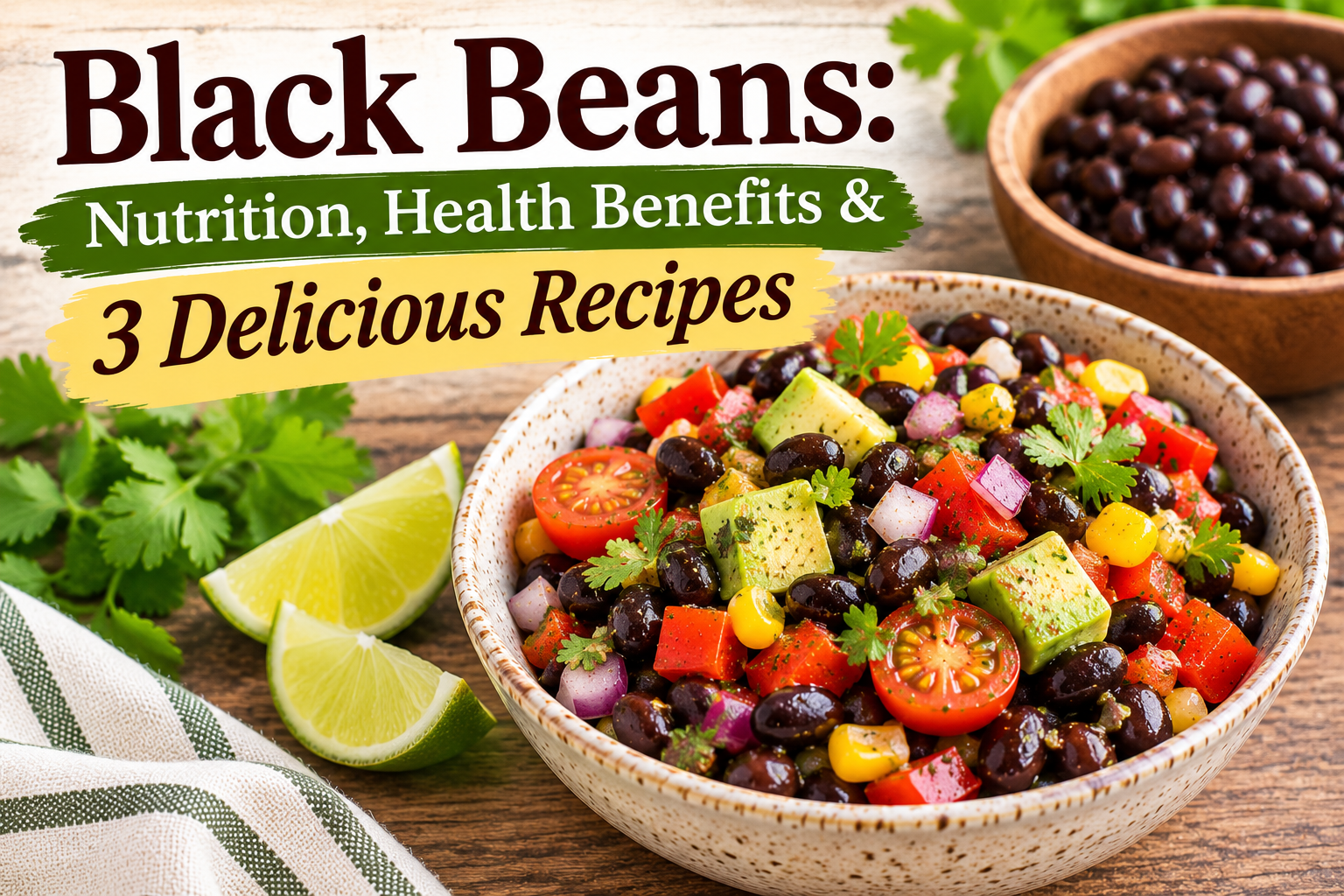
Black beans are one of those humble ingredients that deserve a regular place in your kitchen. They are affordable, versatile, filling, and packed with nutrients that support a healthy diet. Whether you enjoy them in soups, salads, side dishes, or hearty main courses, black beans make it easy to add more plant-based nutrition to everyday meals.
Their mild, slightly earthy flavor pairs well with vegetables, grains, herbs, spices, and many different cuisines. They are also an excellent source of plant-based protein and dietary fiber, making them a satisfying ingredient for anyone looking to prepare balanced meals.
If you enjoy finding creative ways to eat healthier, black beans offer plenty of possibilities. In fact, there are so many ways to use them that we recently created a new cookbook dedicated to this nutritious ingredient: The Healthy Black Bean Cookbook, by To Your Better Health. It features 30 easy, creative, and nourishing recipes designed to help you make black beans a more regular part of your meals.

Before introducing a few new recipes, let’s take a closer look at why black beans are such a worthwhile addition to your diet.
Why Are Black Beans So Healthy?
Black beans are members of the legume family and are considered a nutrient-dense food. They provide a combination of protein, fiber, complex carbohydrates, vitamins, minerals, and beneficial plant compounds.
One cup of cooked black beans contains approximately:
- 227 calories
- 15 grams of protein
- 15 grams of dietary fiber
- 41 grams of carbohydrates
- Less than 1 gram of fat
- Approximately 256 micrograms of folate
Nutritional values can vary depending on preparation and serving size, but these numbers demonstrate just how much nutrition black beans provide.
1. A Great Source of Plant-Based Protein
Protein is essential for building and maintaining muscles, supporting tissues, and carrying out many important functions throughout the body. Black beans provide approximately 15 grams of protein per cooked cup, making them a helpful plant-based protein option.
Although black beans do not provide all the essential amino acids in the same proportions as some animal proteins, eating a variety of plant foods throughout the day can help supply the amino acids your body needs. Pairing beans with whole grains, nuts, seeds, or other protein sources can add variety to your meals.
2. Excellent for Digestive Health
One of the biggest nutritional advantages of black beans is their fiber content. A cup provides approximately 15 grams of fiber, which can make a meaningful contribution to daily fiber needs.
Fiber helps support regular bowel movements and feeds beneficial bacteria in the digestive system. It also helps slow digestion, contributing to a feeling of fullness after meals.
If you are not accustomed to eating high-fiber foods, introduce beans gradually and drink enough water to help your digestive system adjust.

ONCE FOR ALL Safe Mandoline Slicer Pro, Veggie Slicer with Container, Black
4th Gen, 0.1-8mm Adjustable Kitchen Mandoline Slicer, Veggie Chopper Cutter For Potato Onion Fruit, Stainless Steel, Gift.
3. May Support Heart Health
Black beans contain soluble and insoluble fiber, potassium, magnesium, and antioxidant compounds. These nutrients contribute to a heart-healthy eating pattern.
Soluble fiber can help reduce the absorption of cholesterol in the digestive tract, while potassium helps support healthy blood pressure regulation. Replacing some meals high in saturated fat with meals featuring beans and vegetables may also benefit overall heart health.
4. Help Support Healthy Blood Sugar Levels
Black beans contain complex carbohydrates and plenty of fiber. This combination slows digestion and can help moderate how quickly carbohydrates are absorbed.
Their fiber and protein content may also help meals feel more satisfying. For people monitoring blood glucose, portion sizes still matter because black beans contain carbohydrates. Pairing them with non-starchy vegetables, healthy fats, and additional protein can help create a balanced meal.
5. Rich in Antioxidants and Essential Nutrients
The deep, dark color of black beans comes partly from plant pigments called anthocyanins. These compounds belong to a larger group of antioxidants that help protect cells from oxidative stress.
Black beans also provide folate, iron, magnesium, phosphorus, and other nutrients. Folate supports normal cell function and DNA production, while iron plays an important role in carrying oxygen throughout the body.
How to Add More Black Beans to Your Diet
One of the best things about black beans is how easy they are to incorporate into meals. Keep a few cans in your pantry for convenient cooking, or prepare a larger batch of dried beans to use throughout the week.
Try adding them to vegetable soups, grain bowls, homemade veggie burgers, salads, casseroles, or breakfast dishes. You can even blend them into dips and certain baked goods for added fiber and texture.
Canned black beans are already cooked, so they simply need to be drained and rinsed before use. Rinsing can also remove some of the excess sodium found in canned varieties. If you prefer dried beans, cook them thoroughly until completely tender before eating.

Elama Gia 24 Piece Stoneware Dinnerware Set in Light Blue.
Introducing The Healthy Black Bean Cookbook
If you are looking for even more inspiration, we are excited to introduce our new cookbook, The Healthy Black Bean Cookbook, by To Your Better Health.
This collection features 30 recipes that show just how versatile black beans can be. From comforting soups and fresh salads to satisfying main dishes, creative snacks, dips, and even sweet treats, the cookbook offers plenty of ways to enjoy this nutritious pantry staple.
The goal is to make healthy cooking approachable, flavorful, and enjoyable. Whether you are already a fan of black beans or just beginning to experiment with them, these recipes offer fresh ideas for everyday meals.
To give you a little inspiration, here are three additional black bean recipes that are not included in the cookbook.
3 More Delicious Ways to Enjoy Black Beans

1. Black Bean and Corn Fritters
These savory fritters are crispy around the edges and tender in the center. They make a delicious lunch, side dish, or meatless dinner when served with a fresh salad and a little Greek yogurt dipping sauce.
Ingredients:
- 1 can black beans, drained and rinsed
- 1 cup corn kernels
- 1/4 cup finely diced red bell pepper
- 2 green onions, sliced
- 1 egg
- 1/3 cup whole wheat flour
- 1/2 teaspoon cumin
- 1/2 teaspoon garlic powder
- Salt and black pepper to taste
- 1 tablespoon olive oil for cooking
Instructions:
- Place the black beans in a bowl and mash about half of them with a fork, leaving the remaining beans whole.
- Add the corn, red pepper, green onions, egg, flour, cumin, garlic powder, salt, and pepper.
- Stir until the mixture is evenly combined. If it seems too wet to hold together, add another tablespoon of flour.
- Form the mixture into small patties.
- Heat the olive oil in a skillet over medium heat. Cook the fritters for approximately 3–4 minutes per side, until golden brown and heated through.
- Serve warm with a squeeze of lime or a simple yogurt dipping sauce.

2. Creamy Black Bean Coconut Curry
If you enjoy warming, flavorful meals, this coconut curry is a wonderful way to use black beans. Coconut milk creates a creamy sauce, while ginger, garlic, and curry powder add plenty of flavor.
Ingredients:
- 1 can black beans, drained and rinsed
- 1 can light coconut milk
- 1 small onion, diced
- 2 cloves garlic, minced
- 1 tablespoon fresh grated ginger
- 1 cup diced tomatoes
- 1 tablespoon curry powder
- 1/2 teaspoon turmeric
- 1 tablespoon olive oil
- Salt and black pepper to taste
- Fresh cilantro for garnish
- Lime wedges for serving
Instructions:
- Heat olive oil in a large skillet or saucepan over medium heat.
- Add the onion and cook for 3–4 minutes until softened.
- Stir in the garlic, ginger, curry powder, and turmeric. Cook for about 30 seconds until fragrant.
- Add the diced tomatoes, black beans, and coconut milk. Stir well.
- Bring the mixture to a gentle simmer and cook uncovered for 12–15 minutes, stirring occasionally, until the sauce thickens slightly.
- Season with salt and pepper. Finish with fresh cilantro and a squeeze of lime.
- Serve over brown rice, quinoa, or cauliflower rice.

3. Black Bean and Turkey Stuffed Eggplant
For a satisfying dinner with a Mediterranean-inspired twist, try combining lean ground turkey with black beans and vegetables inside roasted eggplant halves. The filling is hearty, flavorful, and packed with protein and fiber.
Ingredients:
- 2 medium eggplants, halved lengthwise
- 1/2 pound lean ground turkey
- 1/2 can black beans, drained and rinsed
- 1/2 cup diced tomatoes
- 1/4 cup diced red onion
- 1 clove garlic, minced
- 1/2 teaspoon oregano
- 1/2 teaspoon cumin
- 1/4 cup crumbled feta cheese
- 1 tablespoon olive oil
- Salt and black pepper to taste
- Fresh parsley for garnish
Instructions:
- Preheat the oven to 400°F. Score the cut sides of the eggplant halves and brush lightly with olive oil.
- Place the eggplant cut-side up in a baking dish. Roast for approximately 20–25 minutes, until the flesh is tender.
- Meanwhile, heat a skillet over medium heat. Add the ground turkey and cook until browned and fully cooked, breaking it into small pieces as it cooks.
- Add the onion and garlic. Cook for another 2–3 minutes.
- Stir in the tomatoes, black beans, oregano, cumin, salt, and pepper. Simmer for 4–5 minutes.
- Once the eggplant is tender, carefully scoop out some of the center flesh, leaving enough around the edges to hold its shape. Chop the removed flesh and stir it into the turkey mixture.
- Spoon the filling into the eggplant halves and sprinkle with feta cheese.
- Return the stuffed eggplant to the oven for 10–12 minutes, until heated through and the cheese is lightly softened.
- Garnish with fresh parsley and serve warm.

Kamenstein 20-Jar Revolving Stainless Steel Countertop Spice Rack.
Make Black Beans a Regular Part of Your Meals
Black beans are an affordable, nutritious, and incredibly versatile ingredient. Their combination of protein, fiber, minerals, and antioxidants makes them a valuable addition to a balanced eating pattern.
Whether you add them to a quick lunch, prepare a comforting dinner, or experiment with a new recipe, there are countless ways to enjoy them.
And if you would like even more inspiration, be sure to explore The Healthy Black Bean Cookbook by To Your Better Health. With 30 creative recipes, it is a helpful resource for discovering new ways to bring more flavor, variety, and plant-based nutrition into your kitchen.
Healthy eating does not have to be complicated. Sometimes, it starts with something as simple as a can of black beans!
I am an affiliate marketer and I use affiliate links. Some links are from Amazon.
I hope you enjoyed reading about this and try out a few good recipes! It’s great that black beans are so cheap! Feel free to comment, like, share, and subscribe. Subscription is always free. Have a wonderful day and cheers to your better health!





Leave a Reply