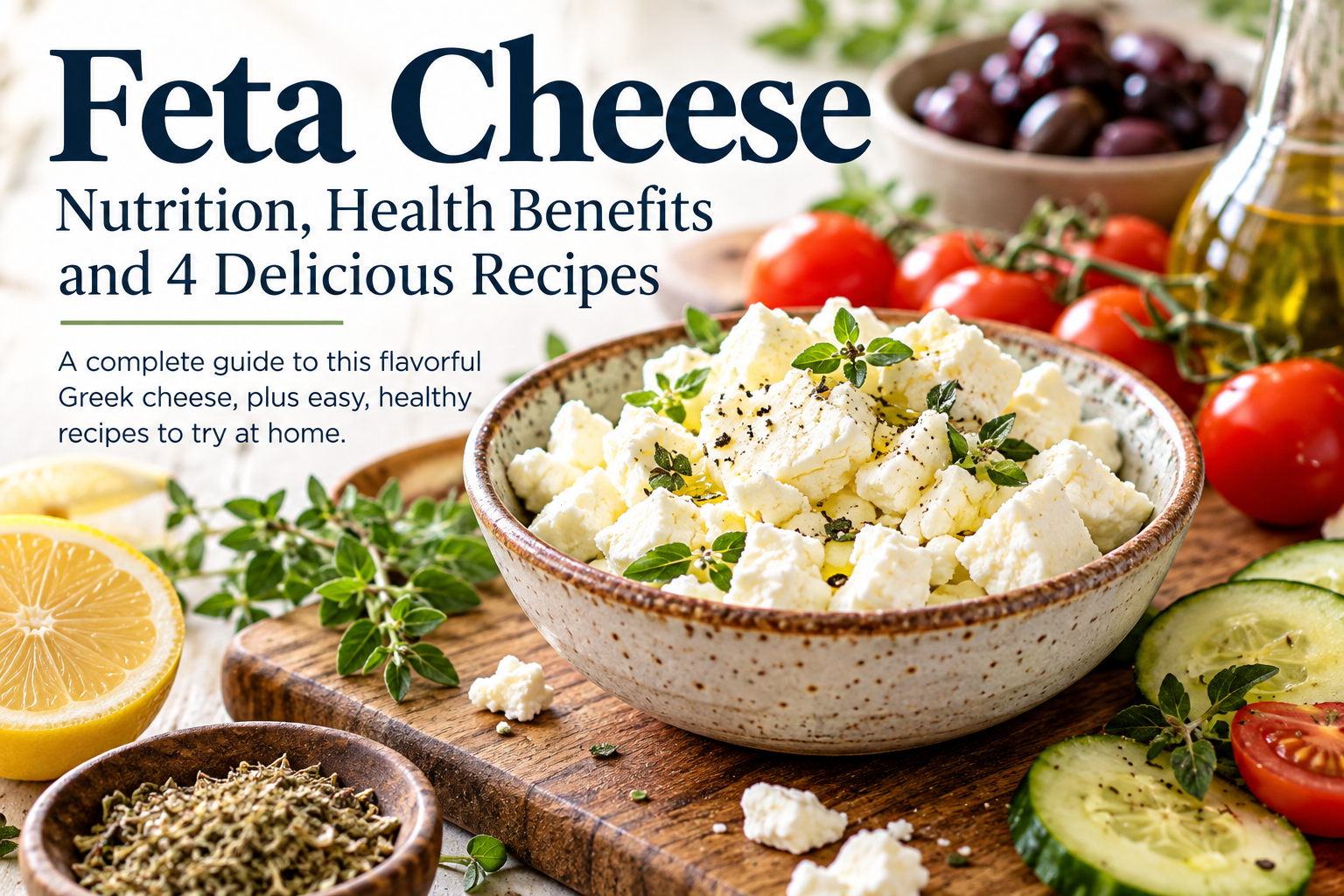
Feta cheese is a favorite ingredient in Mediterranean cooking, known for its creamy, crumbly texture and distinctive salty, tangy flavor. Whether sprinkled over a fresh salad, baked with vegetables, folded into an omelet, or served alongside grilled fish, feta can transform an ordinary meal into something special.
Beyond its flavor, feta provides several important nutrients, including calcium, protein, phosphorus, and vitamin B12. It can be a delicious addition to a balanced diet, especially when paired with vegetables, whole grains, legumes, and healthy fats.
But is feta cheese actually healthy? Where did it originate, and how does it compare with other cheeses? Let’s explore its nutritional value, health benefits, and four delicious ways to enjoy it.
What Is Feta Cheese, and Where Did It Originate?
Feta cheese originated in Greece, where it has been part of the country’s culinary traditions for thousands of years. It is not simply a cheese that became popular throughout the Mediterranean; it is a traditional Greek food that has become an important staple of Mediterranean cuisine.
Historical accounts of ancient Greek cheesemaking date back more than 2,000 years. The cheese described in Homer’s Odyssey is often considered a possible ancestor of modern feta, although it cannot be confirmed that it was identical to the feta we eat today.
Traditional Greek feta is made from sheep’s milk or a combination of sheep’s milk and up to 30% goat’s milk. The cheese is salted and aged in brine, which gives it its characteristic salty taste and helps develop its distinctive texture.
In 2002, the European Union granted feta Protected Designation of Origin (PDO) status. This means that cheese sold as authentic feta under EU rules must be produced in designated regions of Greece using specified ingredients and traditional methods.
Feta is commonly used in Greek salads, vegetable dishes, savory pastries, and baked recipes. Its bold flavor means that a relatively small amount can add plenty of character to a meal.

Olive Oil Dispenser Bottle with Bamboo Tray, GIXSEGIE Oil and Vinegar Dispenser Set w.Metal Pour Spout, Coffee Syrup Dispenser, Olive Oil Cruet Cooking Oil Dispenser, Oil Container Bottles for Kitchen.
Feta Cheese Nutrition: What Nutrients Does It Contain?
Feta is a nutrient-dense dairy food that provides several essential nutrients in a relatively small serving.
One ounce (28 grams) of feta contains approximately:
| Nutrient | Approximate amount |
|---|---|
| Calories | 75 |
| Protein | 4 g |
| Total fat | 6 g |
| Calcium | 140 mg |
| Phosphorus | 96 mg |
| Vitamin B12 | 0.48 mcg |
| Riboflavin (vitamin B2) | 0.24 mg |
| Sodium | 316 mg |
Values are approximate and vary by brand and preparation.
Feta is also a source of zinc and selenium, which contribute to normal immune function and other essential processes in the body.
Although feta is not necessarily the highest-calcium cheese available, it can make a meaningful contribution to your daily nutrient intake.
Health Benefits of Feta Cheese
1. Supports Strong Bones and Teeth
One of feta’s main nutritional benefits is its calcium content. Calcium is essential for building and maintaining strong bones and teeth. It also helps muscles contract and nerves transmit signals.
Feta also contains phosphorus, another mineral that works with calcium to maintain healthy bones and teeth.
2. Provides Protein for Muscles and Tissue Repair
Feta supplies approximately 4 grams of protein per ounce. Protein is needed to build and repair body tissues, maintain muscle, and produce enzymes and other important compounds.
While feta alone is not a high-protein meal, it can contribute to a balanced dish when paired with eggs, chicken, salmon, chickpeas, lentils, or quinoa.
For example, a quinoa salad with chickpeas and feta provides a combination of plant-based protein and dairy protein, along with fiber and other nutrients.
3. Provides Vitamin B12 for Nerve Function
Vitamin B12 helps maintain healthy nerve cells and supports red blood cell production and DNA synthesis. Dairy foods, including feta, can contribute to your B12 intake.
Feta also contains riboflavin, or vitamin B2, which helps the body convert food into usable energy and supports normal cellular function.

60 Day Mediterranean Meal Plan, by To Your Better Health.
4. Fits Into a Mediterranean-Style Eating Pattern
The Mediterranean diet emphasizes vegetables, fruits, legumes, whole grains, nuts, seeds, olive oil, and fish, with moderate amounts of dairy foods.
Feta complements this eating pattern because it adds flavor to plant-rich meals without requiring large portions. Pairing it with tomatoes, cucumbers, leafy greens, roasted eggplant, or squash helps create meals with a wider variety of nutrients.
The benefits come from the overall dietary pattern rather than from feta alone.
5. Can Be Useful for Lower-Carbohydrate Meals
Feta is naturally low in carbohydrates, making it a convenient ingredient for people who prefer lower-carbohydrate meals.
It works well with eggs, leafy greens, zucchini, mushrooms, seafood, and roasted vegetables. However, low in carbohydrates does not automatically mean unlimited portions are appropriate; serving size and overall nutritional balance still matter.

De La Rosa Red Wine Vinegar Organic, Raw & Unfiltered (16.9oz – 2pack)
With The Mother | Kosher for Passover, Vegan, Non-GMO & Gluten Free | Great for Salad Dressings, Marinades & More.
Is Feta Cheese Always Healthy? What to Watch For
Although feta offers valuable nutrients, there are a few things to keep in mind.
Sodium: Feta is a brined cheese, so it can contain substantial sodium. One ounce provides roughly 300 mg, depending on the product. People monitoring blood pressure or following a sodium-restricted diet should pay attention to serving sizes and nutrition labels.
Saturated fat: Feta contains saturated fat, which is best consumed in moderation as part of a heart-conscious eating pattern.
Lactose intolerance: Feta may be easier for some people with lactose intolerance to tolerate than milk, but it is not lactose-free. Individual tolerance varies.
A practical approach is to use feta as a flavorful topping rather than the main component of every meal. A little can go a long way, especially when combined with herbs, lemon juice, and fresh vegetables.
What Are Some Other Healthy Cheeses?
Feta isn’t the only cheese that can contribute useful nutrients to a balanced diet. Here are four other options worth considering.
- Mozzarella: Provides protein and calcium. Fresh and part-skim varieties can be useful choices for salads, vegetable dishes, and homemade pizzas.
- Cottage cheese: Particularly useful for increasing protein intake. Choose plain varieties and compare sodium levels between brands.
- Ricotta: Offers protein and calcium and works well in savory dishes, whole-grain toast, and healthier baked recipes.
- Swiss cheese: Provides protein and calcium and is often lower in sodium than feta and several other popular cheeses.
No single cheese is automatically the healthiest choice for everyone. The best option depends on your nutritional needs, serving size, sodium intake, saturated fat intake, and personal preferences.
4 Healthy Feta Cheese Recipes to Try
These four recipes feature the roasted butternut squash salad, spinach and feta stuffed chicken, roasted red pepper and feta dip, and lemon zucchini ribbons from our recipe ideas.

Recipe 1: Roasted Butternut Squash, Quinoa and Feta Salad
Prep: 15 minutes · Cook: 25–30 minutes · Servings: 4
Ingredients
- 3 cups butternut squash, peeled and cubed
- 1 cup dry quinoa, rinsed
- 2 cups vegetable broth or water
- 3 cups fresh arugula
- 1/3 cup crumbled feta cheese
- 1/4 small red onion, thinly sliced
- 2 tablespoons pumpkin seeds
- 1 tablespoon extra-virgin olive oil
- 1 teaspoon dried rosemary
- Black pepper to taste
For the dressing
- 2 tablespoons olive oil
- 1 tablespoon apple cider vinegar
- 1 teaspoon Dijon mustard
- 1 teaspoon lemon juice
Instructions
- Preheat the oven to 400°F. Toss the cubed squash with 1 tablespoon olive oil, rosemary, and black pepper.
- Spread the squash on a baking sheet and roast for 25–30 minutes, turning halfway through, until tender and lightly browned.
- Meanwhile, combine the rinsed quinoa and broth in a saucepan. Bring to a boil, cover, reduce the heat, and simmer for approximately 15 minutes, or until the liquid is absorbed. Let stand for 5 minutes, then fluff with a fork.
- Whisk together the dressing ingredients in a small bowl.
- Combine the quinoa, roasted squash, arugula, and red onion in a large serving bowl.
- Drizzle with dressing, then top with crumbled feta and pumpkin seeds.
Healthy tip: For extra protein and fiber, add a cup of cooked chickpeas. For a seasonal variation, substitute sliced pear for some of the squash or add a small handful of dried cranberries.

Recipe 2: Spinach and Feta Stuffed Chicken
Prep: 15 minutes · Cook: 25–35 minutes · Servings: 4
Ingredients
- 4 boneless, skinless chicken breasts
- 1 cup fresh spinach, chopped
- 1/2 cup crumbled feta cheese
- 1/4 cup sun-dried tomatoes, chopped and drained if oil-packed
- 2 garlic cloves, minced
- 1 tablespoon olive oil
- 1 teaspoon dried oregano
- 1/2 teaspoon paprika
- Black pepper to taste
- Lemon wedges for serving

Enamel Turkey Roasting Pan Set with Rack for Oven 10pcs Baking Set
nesting deep roaster dishes for chicken, lasagna & casseroles, dishwasher-safe bakeware gift for Thanksgiving & Christmas.
Instructions
- Preheat the oven to 375°F. Lightly grease a baking dish with olive oil.
- In a bowl, mix the spinach, feta, sun-dried tomatoes, and garlic.
- Carefully cut a pocket horizontally into the thickest side of each chicken breast, without cutting all the way through.
- Divide the spinach and feta filling among the chicken breasts. Secure with toothpicks if needed.
- Rub the outside of the chicken with olive oil, oregano, paprika, and black pepper.
- Arrange the chicken in the baking dish and bake for approximately 25–35 minutes, depending on thickness.
- Check the thickest part of each breast with a food thermometer. Chicken should reach an internal temperature of 165°F before serving.
- Rest for 5 minutes, remove any toothpicks, and serve with lemon wedges.
Healthy tip: Pair the chicken with roasted broccoli, asparagus, or a leafy green salad. The feta adds flavor to the filling, so additional salt may not be necessary.

Recipe 3: Roasted Red Pepper and Feta Dip
Prep: 10 minutes · Servings: 4–6
Ingredients
- 1 cup roasted red peppers, drained
- 1/2 cup crumbled feta cheese
- 1/4 cup plain Greek yogurt
- 1 tablespoon extra-virgin olive oil
- 1 tablespoon lemon juice
- 1 garlic clove
- 1/2 teaspoon smoked paprika
- Black pepper to taste
- Fresh parsley, optional
Instructions
- Drain the roasted red peppers well and pat them dry to prevent a watery dip.
- Place the peppers, feta, Greek yogurt, olive oil, lemon juice, garlic, and smoked paprika in a food processor.
- Blend until smooth or leave slightly chunky if you prefer more texture.
- Taste before adding any salt, since feta is already salty.
- Transfer to a serving bowl, sprinkle with parsley, and chill for 20–30 minutes for the flavors to develop.
Serve with cucumber rounds, sliced bell peppers, carrot sticks, whole-grain crackers, or toasted whole-grain pita.
Healthy tip: The peppers provide vitamin C and other plant compounds, while Greek yogurt contributes additional protein. Keep refrigerated and use within 3–4 days.

Recipe 4: Lemon Zucchini Ribbons with Feta and Basil
Prep: 15 minutes · Servings: 2–3
Ingredients
- 2 medium zucchini
- 1/3 cup crumbled feta cheese
- 2 tablespoons extra-virgin olive oil
- 1 tablespoon fresh lemon juice
- 1 teaspoon lemon zest
- 1/4 cup fresh basil leaves, thinly sliced
- 2 tablespoons toasted pine nuts
- Black pepper to taste
Instructions
- Wash and dry the zucchini. Use a vegetable peeler to slice each zucchini lengthwise into thin ribbons, rotating it as you go.
- Place the ribbons in a large bowl. For a raw salad, keep them as they are. For a warm version, sauté them in a skillet over medium heat for 2–3 minutes until just tender.
- Whisk together the olive oil, lemon juice, lemon zest, and black pepper.
- Gently toss the zucchini with the dressing and fresh basil.
- Add the feta and toasted pine nuts just before serving.
Healthy tip: Add grilled shrimp, cooked chicken, or white beans to make this a more substantial meal. If cooking the zucchini, avoid overcooking it, as it releases moisture and can become soggy.

Amazon Grocery, Cold-pressed, Organic Extra Virgin Olive Oil, 51 Fl Oz.
Final Thoughts: Is Feta Cheese a Healthy Choice?
Feta is a flavorful, nutrient-rich cheese with deep roots in Greek culinary history. It provides calcium, protein, phosphorus, and B vitamins while adding a distinctive taste to vegetables, salads, seafood, and other balanced meals.
Its sodium and saturated fat content mean that portion size matters, but you don’t need to avoid feta to eat healthfully. Instead, enjoy it alongside nutrient-rich foods and vary your cheese choices according to your needs.
Whether you try the roasted squash and quinoa salad, stuffed chicken, roasted pepper dip, or zucchini ribbons, feta can help make healthy eating more interesting and enjoyable.
I am an affiliate marketer and I use affiliate links.
I hope you enjoyed reading about this delicious and healthy cheese! Feel free to comment, like, and share! Subscription is always free! Have a wonderful day and cheers to your better health!
Sources and further reading
- European Commission: Feta PDO and its origins
- Harvard T.H. Chan School of Public Health: Cheese nutrition and health
- University Hospitals: Feta cheese nutrition facts
- Harvard Health: Choosing and enjoying cheese in moderation




Leave a Reply