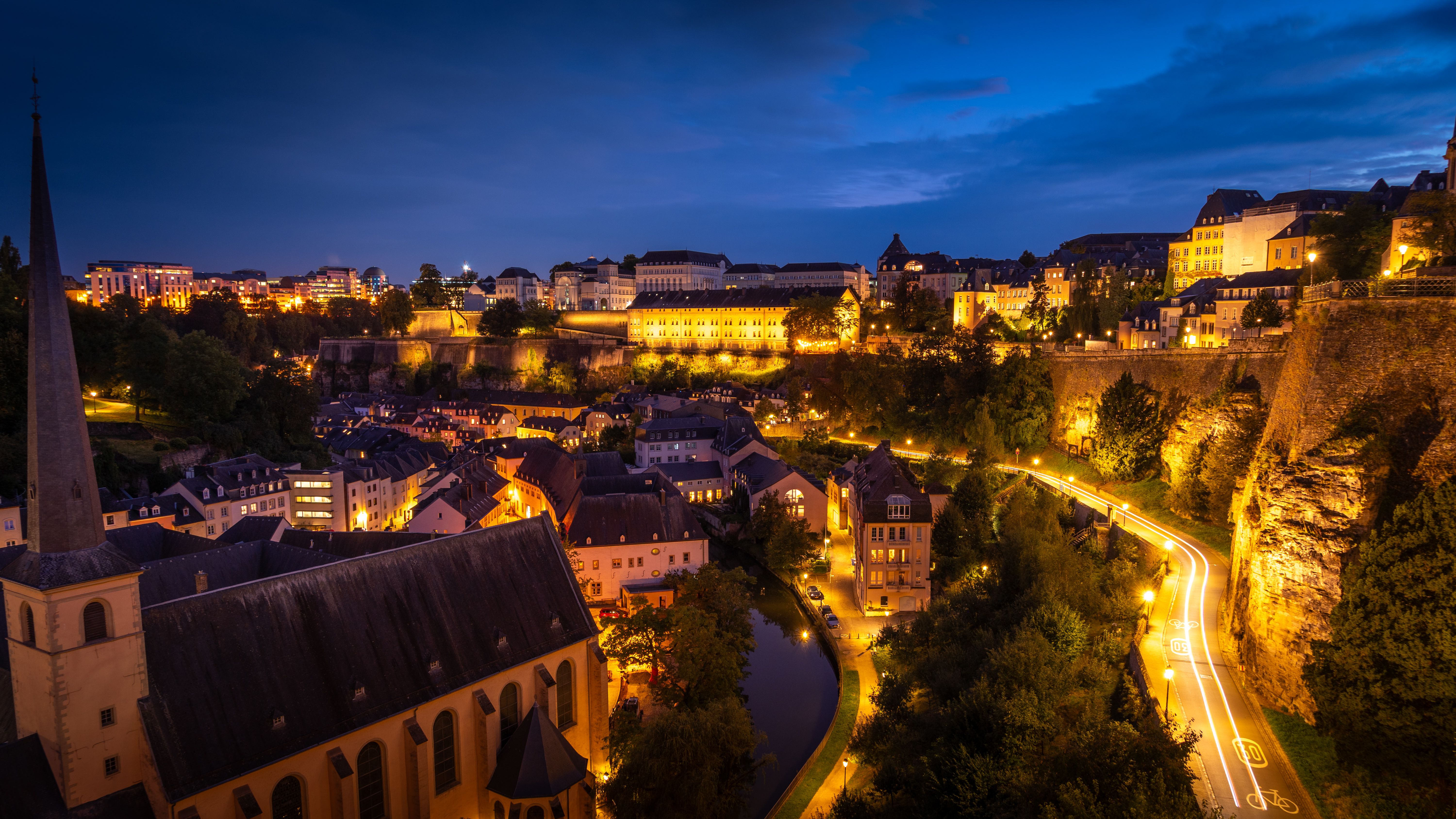
When we think about the healthiest countries in the world, we often picture places where people eat fresh, wholesome foods, stay physically active, and enjoy a high quality of life. Luxembourg, a small European country nestled between Belgium, France, and Germany, offers an interesting example of how these factors can work together to support good health.
Known for its strong economy, high standard of living, and beautiful countryside, Luxembourg has many characteristics associated with healthier populations. Its residents benefit from access to healthcare, relatively high living standards, opportunities for outdoor recreation, and a culinary culture influenced by several neighboring European countries.
But is there a secret to Luxembourg’s healthy population? The answer is not one particular food or lifestyle habit. Instead, it is a combination of healthcare, nutrition, economic conditions, public infrastructure, and everyday choices.

Villeroy & Boch NewMoon 12 Piece Dinnerware Set, White, Service for 4
Premium porcelain dinnerware set, made in Germany, brings plates and bowls together for family dinners.
It is also important to understand that international health rankings use different methods. Luxembourg’s health achievements should not be attributed to a single index or assumed to mean that every resident enjoys equally good health. Nevertheless, the country provides valuable lessons about the conditions that can help people live longer, healthier lives.
Understanding Luxembourg’s Health Rankings
Luxembourg is a high-income country with a well-developed healthcare system and a population that generally enjoys favorable health outcomes. These characteristics help explain why it performs well across many international measures of health and well-being.
However, the Bloomberg Global Health Index, which was widely discussed following its 2019 edition, should not be confused with other international health rankings. That index evaluated factors such as life expectancy, health risks, and environmental conditions across countries. Luxembourg is not consistently identified as one of its very highest-ranked countries, so it would be misleading to claim that it is definitively among the world’s top-ranked nations on that specific index.

Even so, Luxembourg has several advantages that support population health. These include access to medical services, relatively low levels of material deprivation compared with many countries, public investment, and a high standard of living.
The broader lesson is that a healthy population is shaped by more than individual decisions. The systems and environments surrounding people can make healthy choices easier to maintain.
1. Access to Healthcare and a High Standard of Living
One of Luxembourg’s major advantages is its well-developed healthcare system. Residents who are covered by the national health insurance system generally have access to a broad range of medical services, including consultations, hospital care, and preventive services.
Regular medical appointments can help identify health concerns before they become more serious. Screening programs, vaccinations, and access to treatment for chronic conditions can also contribute to better long-term outcomes.
Economic security plays a role as well. Luxembourg has a high average income, and many residents have access to housing, education, transportation, and other resources that influence health. Financial stability can make it easier to purchase nutritious foods, participate in recreational activities, and seek medical attention when needed.

Veken 34oz French Press Coffee Maker, No Plastic Touching Cafe,1 L Cafetera
Heat Resistant Thickened Borosilicate Glass Stainless Steel Brewer, Cold Brew Pot for Kitchen, Travel, Camping, Tea, Gifts, Copper.
Of course, high national income does not eliminate health inequalities. Housing costs, work pressures, and differences in access to resources can still affect individual well-being.
Nevertheless, Luxembourg illustrates how healthcare access and supportive social conditions can complement healthy personal habits.
2. What Do People in Luxembourg Eat?
Luxembourg’s food culture reflects a blend of French, German, and Belgian influences. Traditional meals can be hearty and filling, but the country also benefits from access to a wide variety of fresh produce, dairy products, fish, meats, grains, and other ingredients.
Common elements of Luxembourgish cuisine include potatoes, cabbage, beans, seasonal vegetables, bread, pork, and dairy products. Traditional dishes such as Judd mat Gaardebounen—smoked pork collar served with broad beans—reflect the country’s agricultural roots.
The cuisine is not exclusively light or plant-based. Some traditional meals contain substantial amounts of meat, salt, or saturated fat. Therefore, Luxembourg’s food traditions should not be presented as inherently healthier than those of other countries.
What matters more is the overall dietary pattern.

Utopia Kitchen Cast Iron Skillet Set 3 Piece 6, 8, 10 Inch PFAS-Free Black
Chef Pan, Even Heat Distribution, Stovetop, Campfire and Grill Safe, Large Skillet Set, Indoor Outdoor Use.
A balanced approach to eating can include:
- Fresh fruits and vegetables: Seasonal produce provides vitamins, minerals, fiber, and beneficial plant compounds.
- Beans and legumes: Broad beans, lentils, and other legumes supply plant-based protein and fiber.
- Whole grains and potatoes: These provide carbohydrates for energy, with whole grains offering additional fiber.
- Fish and lean proteins: Including a variety of protein sources can help support muscle maintenance and overall nutrition.
- Dairy products: Milk, yogurt, and cheese can provide protein and calcium, although choosing portions and products thoughtfully can help manage saturated fat and sodium intake.
Luxembourg’s location in the heart of Europe also makes foods from neighboring countries readily available. Residents can enjoy a diverse food supply, although availability alone does not guarantee a healthy diet.

A useful lesson is to focus on variety, sensible portions, and minimally processed foods rather than searching for one special ingredient that explains a country’s health outcomes.
3. A Lifestyle That Includes Outdoor Recreation
Luxembourg’s natural landscapes offer many opportunities to spend time outdoors. Forests, rolling hills, river valleys, and walking paths create inviting settings for hiking, cycling, and other recreational activities.
The country’s Mullerthal region, sometimes called Luxembourg’s Little Switzerland, is particularly known for its rock formations, wooded trails, and scenic hiking routes.
Regular physical activity supports cardiovascular health, helps maintain muscle and bone strength, and can improve mood and sleep. Walking is especially practical because it can be adapted to different fitness levels and incorporated into daily routines.

Foldable Treadmills for Home with 10% Incline, 400 LBS Capacity
3.5HP Quiet Running Treadmill, 40″ x 16″ Wide Belt, Max 7.6 MPH, Pulse Sensor, Bluetooth Speaker and Smart App, Space-Saving.
Cycling and hiking offer additional ways to stay active while enjoying nature. Outdoor recreation may also provide opportunities for social connection, which is another important part of overall well-being.
However, it would be inaccurate to assume that all Luxembourg residents are highly active or that outdoor recreation alone explains their health outcomes. Like people elsewhere, residents face sedentary work, busy schedules, and other barriers to exercise.
The opportunity to be active is valuable, but individual participation still matters.
References
- OECD — Health at a Glance 2025
- Bloomberg Global Health Index Overview
- Spain Is Considered Healthiest Country, According to New Report
- Healthiest Countries 2025
I am an affiliate marketer and I use affiliate links. Some links are from Amazon.
I hope you enjoyed learning about Luxembourg’s health! Feel free to comment, like, share, and subscribe. Subscription is always free! Have a wonderful day and cheers to your better health!





Leave a Reply