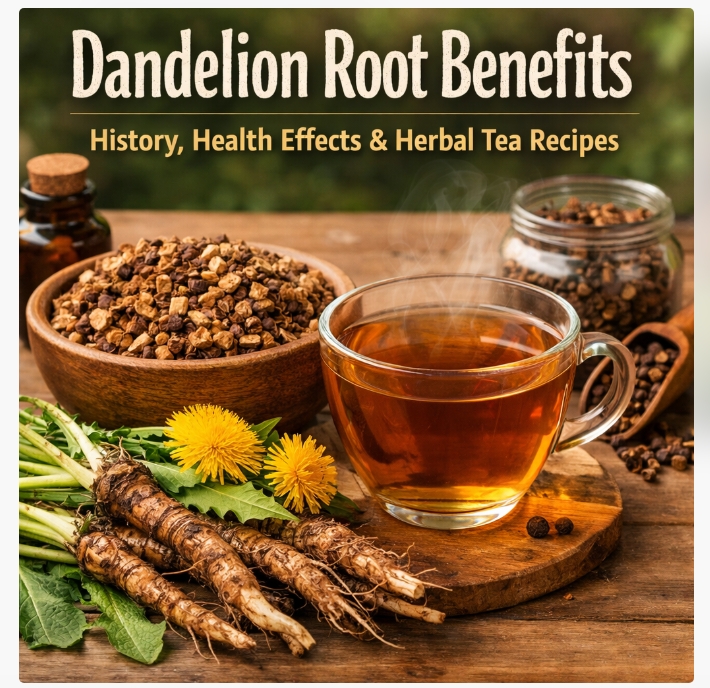
Many people see dandelions as nothing more than stubborn weeds that appear in lawns every spring. However, this common yellow flower has been valued for centuries as a powerful medicinal herb. In fact, the plant—especially its root—has a long history in traditional medicine and continues to gain attention today as a natural health remedy.
Dandelion root has been used to support digestion, promote liver health, and provide antioxidant benefits. Modern research is beginning to confirm some of the traditional uses that herbalists have relied on for generations. With its rich nutritional profile and natural healing compounds, dandelion root is increasingly being used in teas, herbal remedies, and even coffee substitutes.
Understanding the history and health benefits of this humble plant reveals why it has earned a place in many natural wellness practices.

A Brief History of Dandelion Root
The dandelion plant (Taraxacum officinale) is believed to have originated in Europe and Asia, though it now grows widely throughout the world. The name “dandelion” comes from the French phrase dent de lion, meaning “lion’s tooth,” which refers to the jagged shape of its leaves.
For centuries, different cultures have used dandelion as both food and medicine. Ancient Greek physicians were among the first to document its medicinal uses, particularly for digestive health. In traditional Chinese medicine, dandelion was used to support liver function and help clear heat and toxins from the body.
During the Middle Ages, European herbalists used dandelion root as a remedy for stomach disorders, skin problems, and kidney support. Early American settlers also relied on the plant, brewing the roots into tonics and teas to help with digestion and general wellness.
Every part of the plant was valued. The leaves were eaten as greens, the flowers were used in wines and syrups, and the roots were dried and used medicinally. Today, dandelion root continues to be widely used in herbal supplements and natural health remedies.

Wild & Organic Dandelion Root Extract Drops Vegan, Sugar & Alcohol-Free Liquid Drops – 4 fl oz.
Nutritional Components of Dandelion Root
Part of what makes dandelion root so beneficial is its rich nutritional content. The root contains a variety of plant compounds that contribute to its therapeutic effects.
Some of the key components include:
- Inulin, a prebiotic fiber that supports gut health
- Polyphenols, powerful antioxidants that help reduce inflammation
- Potassium, which helps regulate fluid balance and blood pressure
- Iron, important for red blood cell production
- Magnesium, which supports muscle and nerve function
- Vitamin A precursors, beneficial for immune health
These nutrients and plant compounds work together to support several aspects of overall health.
Supports Liver Health
One of the most well-known traditional uses of dandelion root is its role in supporting the liver. Herbalists have long believed that dandelion root stimulates the production of bile, a digestive fluid produced by the liver that helps break down fats.
Healthy bile production can assist the body in processing fats and removing waste products more efficiently. Because of this, dandelion root is often included in herbal formulas designed to support liver detoxification and digestion.
Research has also shown that dandelion root contains antioxidants that may help protect liver cells from oxidative stress. While more human studies are still needed, early findings suggest that the plant’s compounds may support healthy liver function.

Mr. Coffee Flintshire 2.2 Quart Large Whistling Stainless Steel Tea Kettle – W/ Copper
Promotes Healthy Digestion
Dandelion root is often classified as a “digestive bitter.” Bitter herbs stimulate the digestive system by encouraging the production of stomach acid and digestive enzymes.
When consumed before meals, dandelion root tea may help:
- Improve digestion of fats and proteins
- Reduce bloating or sluggish digestion
- Support regular bowel movements
The root also contains inulin, a type of soluble fiber that acts as a prebiotic. Prebiotics feed the beneficial bacteria in the gut, which helps maintain a healthy microbiome. A balanced gut microbiome plays an important role in digestion, immune health, and inflammation control.
A Natural Diuretic
Another traditional use of dandelion root is as a natural diuretic. Diuretics help the body remove excess fluid by increasing urine production.
Unlike many pharmaceutical diuretics that can deplete potassium levels, dandelion naturally contains potassium. This makes it unique among natural diuretic herbs because it may help maintain electrolyte balance.
Because of this property, dandelion root has been used to support:
- Fluid balance
- Mild water retention
- Kidney health
This gentle diuretic effect may also help support healthy blood pressure levels.

Rich in Antioxidants
Dandelion root is rich in antioxidants, which help protect the body from oxidative stress. Oxidative stress occurs when free radicals damage cells and contribute to aging and chronic disease.
The antioxidants found in dandelion root include:
- Beta-carotene
- Polyphenols
- Flavonoids
These compounds may help reduce inflammation in the body and support overall cellular health.
Antioxidants are also associated with a reduced risk of several chronic conditions, including heart disease and metabolic disorders.
Potential Blood Sugar Support
Some early studies suggest that compounds in dandelion root may support healthy blood sugar levels.
Two plant compounds—chicoric acid and chlorogenic acid—have been studied for their potential to improve insulin sensitivity and regulate glucose metabolism.
These compounds may help slow the absorption of carbohydrates and reduce blood sugar spikes after meals. While research is still developing, the findings suggest that dandelion root could be helpful as part of a balanced lifestyle for metabolic health.
Simple Dandelion Root Beverages and Remedies
One of the easiest ways to enjoy the benefits of dandelion root is by preparing it as a tea or herbal beverage. The root is typically dried and either steeped or simmered to release its beneficial compounds.
Below are a few simple ways to incorporate it into your routine.
Roasted Dandelion Root “Coffee”
This caffeine-free beverage is popular for its rich, earthy flavor that resembles coffee.
Ingredients
1 tablespoon roasted dandelion root
1 cup water
Optional: cinnamon, milk, or honey
Instructions
Bring water to a boil and add the roasted dandelion root. Simmer for about 10 minutes, then strain. Add cinnamon or a splash of milk for flavor if desired.
This drink is often enjoyed as a morning coffee alternative without caffeine.

Tabletops Gallery Mitesh Soup (or beverage) Mug (Set of 4)
Digestive Dandelion Root Tea
This tea can be helpful before meals to support digestion.
Ingredients
1 teaspoon dried dandelion root
1 cup hot water
Optional: lemon or ginger
Instructions
Place the dried root in a tea infuser and pour hot water over it. Steep for 10 to 15 minutes. Add lemon or ginger if desired.
Drink about 15 minutes before meals to help stimulate digestive enzymes.
Liver Support Herbal Blend
Dandelion root pairs well with other herbs traditionally used for liver health.
Ingredients
1 teaspoon dried dandelion root
1 teaspoon milk thistle seeds
½ teaspoon ginger root
1½ cups water
Instructions
Simmer all ingredients for 10–15 minutes. Strain and drink warm.
This herbal blend combines several herbs known for supporting healthy liver function.
A Versatile Herbal Remedy
Although it grows wild in fields and gardens, dandelion root is far more than a simple weed. For centuries it has been valued for its ability to support digestion, liver function, and overall wellness.
Modern interest in herbal medicine has renewed appreciation for this traditional plant. While more clinical research is still needed to fully confirm all of its benefits, many of its historical uses are supported by emerging scientific studies.
Whether enjoyed as a tea, roasted coffee alternative, or herbal tonic, dandelion root offers a natural and accessible way to support everyday health.
Sometimes the most powerful remedies are the ones that grow right in our own backyard.
I am an affiliate marketer and I use affiliate links, including Amazon.
I hope you enjoyed learning about Dandelion root and all of its health benefits! Feel free to comment, like, and especially subscribe to this blog! You don’t want to miss out on great recipes and helpful information. Have a wonderful day, and cheers to your better health!






Leave a Reply