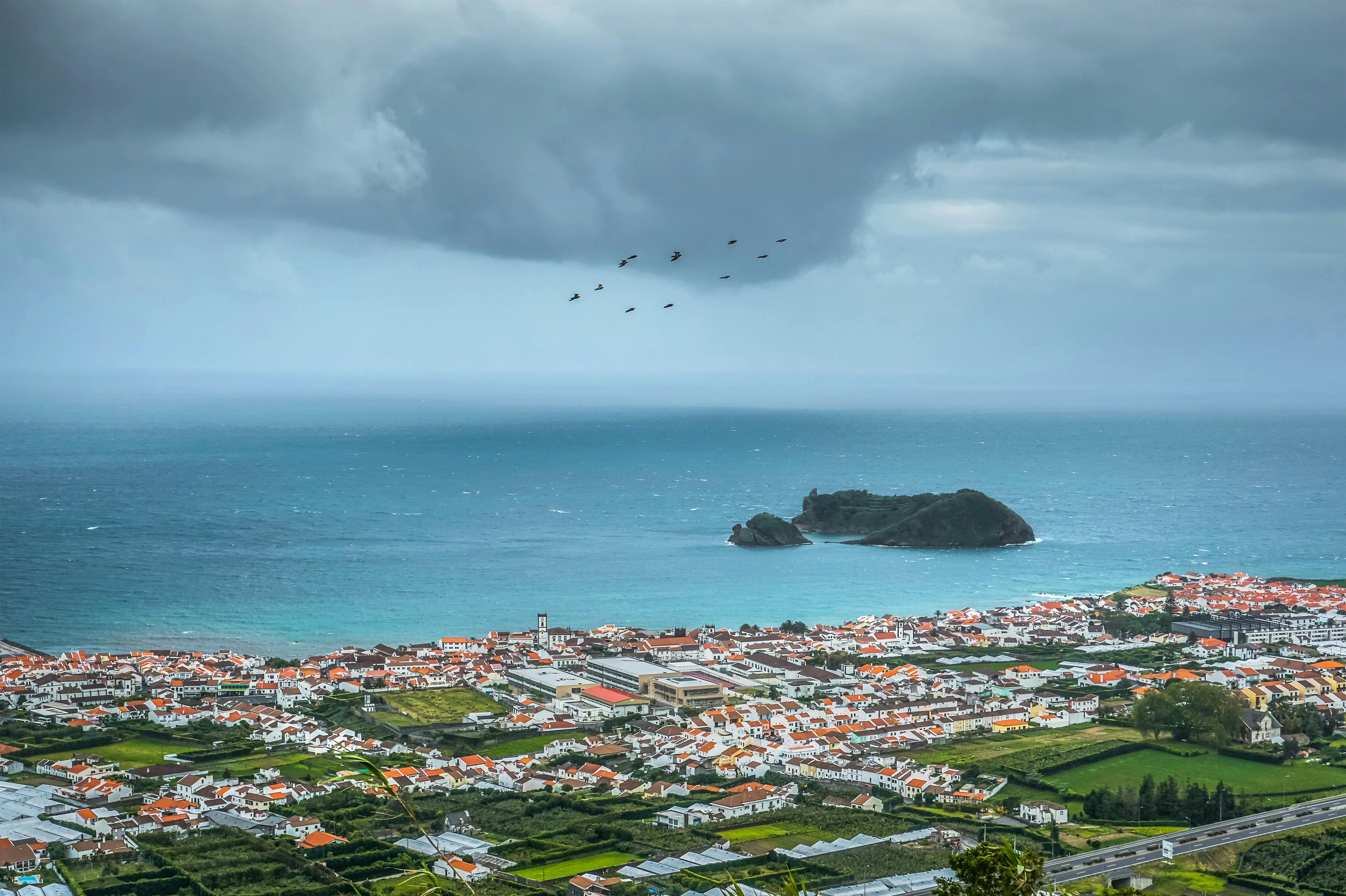
Portugal has quietly earned a reputation as one of the world’s healthiest countries—consistently ranking high for overall well-being, low mortality rates, and longevity. In fact, the Bloomberg Index ranked Portugal as the 22nd healthiest country in the world. While tourists rave about its beaches, sunshine, and charming villages, researchers and health experts look at Portugal as a model for balanced living. So what makes this small coastal nation one of the healthiest places to live?
The answer lies in a blend of Mediterranean-inspired eating, active daily routines, strong community connections, excellent healthcare, and an environment that encourages lower stress and high life satisfaction. Below, we explore the key factors that make Portugal such a standout in global health.
Before we begin, I would like to mention that this is a continuation of a series I have been doing with the world’s healthiest nation’s according to the Bloomberg Index. If you would like to read about the previous blog in the series, you can visit it here:

1. A Mediterranean-Inspired Diet Rooted in Freshness
Portugal’s traditional diet shares many traits with the Mediterranean diet—one of the most studied and celebrated nutritional patterns in the world. It is rich in fresh produce, seafood, legumes, whole grains, healthy fats, and herbs, all associated with reduced inflammation, improved heart health, and longevity.
Seafood as a Staple
Portugal has one of the highest fish consumption rates in Europe. Popular choices include:
- Sardines
- Mackerel
- Cod (Bacalhau)
- Octopus
- Sea bass
- Shellfish
Fatty fish like sardines and mackerel are loaded with omega-3 fatty acids, which lower inflammation, support brain function, and reduce cardiovascular risk.
Whole, Seasonal, Locally Sourced Foods
Markets are a major part of daily life. Most families shop at local:
- Produce markets
- Fish markets
- Artisan bakeries
- Butchers
This keeps the diet fresh, seasonal, and minimally processed—a core component of long-term health.

2PCS Light Blockage Dark Oil Sprayer For Cooking, 2 In 1 Olive Oil Dispenser Bottle For Kitchen, Glass Oil Bottle, Food-Grade Oil Mister For Air Fryer. By Prep and Savour. You can pour or spray the Olive Oil!
Olive Oil: The Heart-Healthy Foundation
Olive oil is the primary cooking fat in Portugal. High in monounsaturated fats and antioxidants, it is linked to:
- Reduced LDL cholesterol
- Improved vascular health
- Lower inflammation
Meals are often finished with a drizzle of high-quality extra virgin olive oil.
Vegetables and Legumes at Every Meal
Common staples include:
- Kale and cabbage
- Tomatoes
- Peppers
- Beans and chickpeas
- Sweet potatoes
- Garlic and onions
Legumes are particularly important—found in soups, stews, salads, and spreads.
2. Moderate Portions and Balanced Eating Patterns
Unlike many fast-paced Western cultures, Portuguese eating habits emphasize balance, moderation, and pleasure rather than restriction or overconsumption.
Portion Sizes Are Reasonable
Meals are filling but not oversized. Even desserts—often fruit-based—are smaller and enjoyed occasionally, not daily.
Slow Mealtimes and Mindful Eating
Meals are social events. Families take time to sit together, eat slowly, converse, and savor their food. This style of eating:
- Improves digestion
- Supports portion control
- Reduces stress
- Enables better nutrient absorption
Limited Ultra-Processed Foods
While they exist, they are not as dominant as in other countries. The cultural preference is to cook from scratch.

3. A Naturally Active Lifestyle
While gyms and exercise classes do exist, the Portuguese lifestyle leans more toward natural movement, which research shows has massive long-term health benefits.
Walking as a Way of Life
Cities like Lisbon, Porto, and Coimbra are walkable. Even rural villages encourage daily foot travel. Most people walk to:
- Shops
- Work
- School
- Cafés
- Markets
This results in higher daily step counts and improved mobility.
Blue and Green Spaces
Portugal offers abundant outdoor environments, including:
- Miles of coastline
- Forests and nature reserves
- Urban parks
- Mountain trails
These areas promote walking, biking, swimming, surfing, and hiking.
Less Reliance on Cars
Narrow streets and well-connected public transportation systems reduce car dependency and increase everyday activity.

4. A Strong Connection to Nature and Sunshine
Portugal enjoys over 300 days of sunshine per year, contributing to high vitamin D levels, improved mood, and reduced risk of chronic disease.
Ocean Influence
Many people live near the coast or spend weekends by the sea. Activities such as swimming, surfing, and beach walking enhance physical and mental well-being.
Outdoor Living Culture
Cafés spill out onto sidewalks. Families spend evenings strolling (a tradition known as “passeio”). Outdoor dining and recreation are the norm nearly year-round.

5. Low Stress and a Slower Pace of Life
One of Portugal’s greatest health advantages is its reputation for slower, calmer living.
A Culture That Prioritizes Balance
There is a strong emphasis on:
- Enjoying meals
- Spending time with family
- Taking breaks during the day
- Being present
While Portugal is modern and connected, it still maintains an old-world charm where people are less frantic and more grounded.
High Life Satisfaction
Portugal routinely scores high for:
- Friendliness
- Community engagement
- Safety
- Work-life balance
Lower chronic stress contributes to lower rates of cardiovascular disease and mental health disorders.

Gardyn. Indoor or Outdoor Garden. Choose from a vast selection of plants which ones you want to grow right in your own home!
6. High-Quality Healthcare
Portugal has one of the highest-rated healthcare systems in Europe, known for accessibility and quality.
Universal Healthcare
Residents have access to:
- Preventive care
- General medicine
- Specialist treatment
- Urgent and emergency services
at a low cost.
Preventive Care Emphasis
Screenings and routine checkups are widely encouraged and used, improving early detection of disease.
Longer Life Expectancy
Thanks to strong healthcare, longevity is steadily increasing. Portugal’s life expectancy is among the highest in Europe and continues to rise.

Easy Everyday Mediterranean Diet Cookbook, by Serena Ball & Deanna Segrave-Daly
7. Strong Cultural Traditions That Support Health
Portuguese culture naturally incorporates habits that promote longevity and wellness:
Family-Centered Living
Families remain close-knit, reducing loneliness—which is a major factor in long-term health.
Fresh Homemade Meals
Cooking at home is the norm, and many recipes have been passed down for generations.
Festivals, Music, and Community Events
Social connection plays a significant role in mental and emotional wellness.
Moderate Alcohol Consumption
Wine is usually enjoyed in small amounts with meals—not as a tool for stress relief.
8. Environmental and Safety Factors
Portugal’s environment also contributes to its high health ranking.
- Low pollution levels in many regions
- Clean water
- High food quality standards
- Safe public spaces
- Low violent crime rates
All of these factors support a healthier population.

Final Thoughts: The Portuguese Way of Living Is a Blueprint for Longevity
Portugal’s high health ranking isn’t tied to any single factor—it’s a harmony of lifestyle, food culture, environment, and mindset. The traditional diet, fresh seafood, daily walking, sunshine, social bonds, and strong healthcare system all create a foundation for a life that is not just long but deeply enjoyable.
For anyone looking to improve their health, Portugal offers an inspiring model: eat fresh, move naturally, enjoy your community, and live life at a slower, more peaceful pace.
I am an affiliate marketer who uses affiliate links. Any support you give is greatly appreciated! I hope you enjoyed this blog. Please feel free to comment, like, post, and subscribe for free to my blog!
Resources
Spain Is Considered Healthiest Country, According to New Report






Leave a Reply