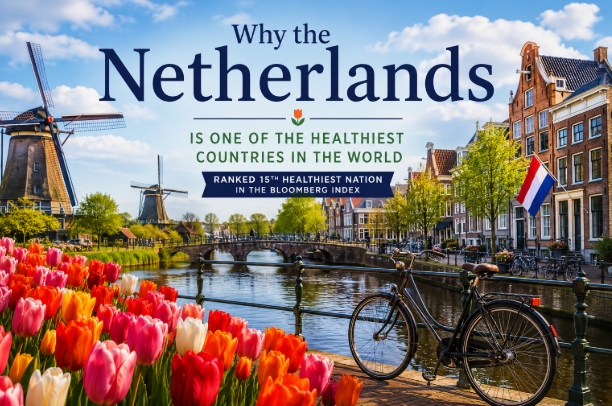
When discussing the world’s healthiest nations, countries such as Japan, Switzerland, and Spain often receive much of the attention. However, the Netherlands consistently ranks among the healthiest countries on the planet. In the Bloomberg Healthiest Country Index, the Netherlands was ranked as the 15th healthiest nation in the world, reflecting its strong healthcare system, active lifestyle, nutritious food culture, and high quality of life.
The Dutch approach to health goes beyond hospitals and medical care. Health is woven into daily life through transportation habits, social connections, access to nutritious foods, and a culture that values balance rather than extremes. Let’s explore what makes the Netherlands one of the healthiest places to live.
A Culture Built Around Movement
One of the most noticeable aspects of life in the Netherlands is how much people move throughout the day. Unlike many countries where driving is the primary mode of transportation, the Dutch are famous for cycling.

Peloton Exercise Cross Training Bikes, Indoor Stationary Spin Bikes for Home Workouts, Space-Friendly Exercise Equipment for Cardio and strength Workout & Indoor Cycling.
The Netherlands has more bicycles than people, and cycling is considered a normal part of everyday life rather than a fitness activity. Residents bike to work, school, grocery stores, parks, and social events. Dedicated bike lanes and cycling-friendly infrastructure make it safe and convenient for people of all ages to stay active.
This regular physical activity contributes to:
- Better cardiovascular health
- Lower obesity rates
- Improved mental well-being
- Reduced risk of Type 2 diabetes
- Increased longevity
Walking is also common throughout Dutch cities and towns. Urban areas are designed to encourage active transportation, making movement a natural part of daily routines.
The Dutch Lifestyle: Balance Over Perfection
Many health experts point to the Dutch lifestyle as a major reason for the country’s strong health outcomes.

Amazon Basics Enameled Cast Iron Dutch Oven Pot with Lid, Round, Dual Handles, Heavy-Duty, Oven Safe for Stews, Roasting, Baking, 6-Quart, Blue.
Rather than focusing on restrictive diets or intense fitness programs, the Dutch generally emphasize moderation and balance. People often enjoy healthy meals, regular exercise, social activities, and sufficient downtime.
Work-life balance is highly valued in the Netherlands. Employees often work fewer hours compared to some other developed nations, allowing more time for family, hobbies, exercise, and relaxation.
Research consistently shows that lower stress levels can positively affect:
- Heart health
- Immune function
- Sleep quality
- Mental health
- Overall longevity
The Dutch concept of living well isn’t about constantly being productive. Instead, it focuses on creating a sustainable lifestyle that supports both physical and emotional well-being.
A Strong Healthcare System
Another key factor behind the Netherlands’ health ranking is its highly regarded healthcare system.
Dutch residents have access to quality healthcare services, preventive care, and medical specialists. The healthcare system places significant emphasis on prevention and early intervention, helping identify health concerns before they become severe.
Key strengths include:
- Universal access to healthcare coverage
- High-quality primary care physicians
- Preventive screenings
- Advanced medical facilities
- Strong public health initiatives
Preventive healthcare is particularly important. Routine checkups, vaccinations, and health education programs help reduce the burden of chronic disease and improve long-term outcomes.

Misfits Market. Grocery Delivery Service that prevents produce from wasting. Many organic options available. There are also other food categories they sell. Try this out!
What Foods Do People in the Netherlands Eat?
The Dutch diet has evolved over time but generally includes many nutrient-rich foods that support good health.
Fish and Seafood
The Netherlands has a long maritime history, and fish remains an important part of many diets.
Popular choices include:
- Herring
- Mackerel
- Salmon
- Cod
These fish provide omega-3 fatty acids, which support heart and brain health.
Dairy Products
Dutch dairy products are known worldwide.
Common foods include:
- Yogurt
- Milk
- Cheese
- Kefir
Fermented dairy products may contribute beneficial probiotics that support gut health and digestion.
Whole Grains
Bread is a staple food in the Netherlands, particularly whole-grain varieties.
Whole grains provide:
- Fiber
- B vitamins
- Minerals
- Long-lasting energy
Fiber-rich diets are associated with healthier cholesterol levels, improved digestion, and reduced risk of chronic disease.
Vegetables and Potatoes
Traditional Dutch meals often include generous portions of vegetables alongside potatoes and lean proteins.
Popular vegetables include:
- Kale
- Carrots
- Cabbage
- Brussels sprouts
- Green beans
- Endive
These vegetables are rich in vitamins, minerals, antioxidants, and fiber.
Legumes and Plant-Based Foods
Plant-based eating has become increasingly popular throughout the Netherlands. Beans, lentils, and other legumes are frequently incorporated into meals, supporting both health and sustainability goals.

Doctor’s Recipes Moringa, Complete Green Superfood, Natural Antioxidant Support, Non-GMO, 90 Vegan Caps, No Caffeine Soy Gluten.
The Importance of Social Connection
Health isn’t just about food and exercise. Social well-being plays a significant role in overall health.
The Dutch culture places value on community, family relationships, and social interaction. Gathering with friends, spending time outdoors, and participating in local activities are common aspects of life.
Strong social networks have been linked to:
- Lower rates of depression
- Reduced stress
- Better immune function
- Greater life satisfaction
- Longer life expectancy
This sense of connection contributes to overall wellness in ways that are often overlooked.
Does the Climate Influence Health?
The climate of the Netherlands may also play a role in supporting healthy lifestyles.
The country experiences a temperate maritime climate characterized by:
- Mild summers
- Relatively mild winters
- Frequent rainfall
- Moderate temperatures
Because temperatures are rarely extreme, outdoor activities remain accessible for much of the year. People can comfortably walk, bike, garden, and spend time outside during many seasons.
Encouraging Outdoor Activity
Dutch cities are designed with outdoor living in mind. Parks, walking paths, bike routes, and public green spaces encourage residents to remain active regardless of age.
Spending time outdoors has been associated with:
- Improved mood
- Better sleep quality
- Reduced stress
- Enhanced physical activity levels
Cleaner Air and Environmental Focus
The Netherlands has made substantial investments in sustainability, cycling infrastructure, and environmental policies. While urban areas still face environmental challenges, the country’s emphasis on reducing pollution and encouraging active transportation can contribute positively to public health.

Pfaltzgraff Trellis White 16-Piece Stoneware Dinnerware Set, Service for 4, Distressed White Finish, Microwave & Dishwasher Safe Plates and Bowls.
Healthy Children, Healthy Future
The Dutch approach to health often begins early in life.
Schools encourage physical activity and health education, while parents commonly promote outdoor play and active transportation. Children frequently bike to school and participate in sports and recreational activities.
Establishing healthy habits during childhood helps create lifelong patterns that contribute to better health outcomes as adults.
Lessons We Can Learn from the Netherlands
The Netherlands demonstrates that achieving better health as a nation doesn’t require extreme diets or complicated wellness programs. Instead, it comes from creating environments that make healthy choices easier.
Some valuable lessons include:
- Make movement part of daily life.
- Prioritize work-life balance.
- Eat a variety of whole foods.
- Foster strong social connections.
- Spend more time outdoors.
- Focus on prevention rather than treatment.
- Design communities that encourage walking and cycling.
Final Thoughts
The Netherlands’ ranking as the 15th healthiest country in the Bloomberg Healthiest Country Index reflects decades of investment in public health, active transportation, quality healthcare, and healthy living environments.
From bicycle-friendly cities and nutritious diets to strong social connections and a culture that values balance, the Dutch have created a lifestyle that naturally supports wellness. While no country is perfect, the Netherlands offers a powerful example of how everyday habits, supportive communities, and thoughtful public policies can work together to improve health and quality of life.
As the world continues searching for ways to promote healthier populations, the Dutch model shows that some of the most effective solutions may be surprisingly simple: move more, eat well, connect with others, and enjoy a balanced life.






Leave a Reply