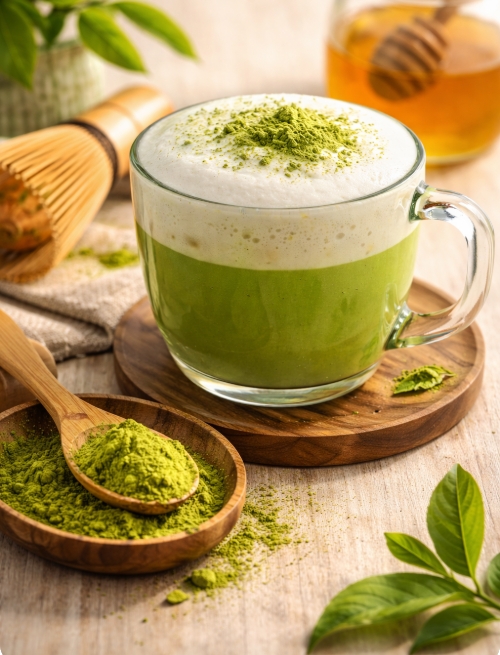
Matcha has quietly moved from traditional Japanese tea ceremonies to modern kitchens, coffee shops, and wellness routines around the world—and for good reason. This vibrant green powder isn’t just another trendy superfood. Matcha offers a unique combination of antioxidants, gentle energy, mental clarity, and metabolic support that sets it apart from regular green tea.
Unlike steeped tea leaves, matcha is made from finely ground whole green tea leaves. When you drink matcha, you consume the entire leaf—meaning you get a more concentrated dose of its beneficial compounds. From supporting heart health to enhancing focus without jitters, matcha has earned its reputation as one of the most powerful teas available.
Let’s break down why matcha is so healthy, how it supports the body, and how to prepare and enjoy it properly.

Jade Leaf Modern Matcha Starter Set.
What Makes Matcha Different From Regular Green Tea?
The key difference between matcha and traditional green tea lies in how it’s grown and consumed.
Matcha tea plants are shade-grown for several weeks before harvest. This process boosts chlorophyll levels and increases the production of beneficial compounds like L-theanine and catechins. After harvesting, the leaves are steamed, dried, and stone-ground into a fine powder.
Because you consume the entire leaf rather than discarding it after steeping, matcha delivers:
- Higher antioxidant levels
- More sustained caffeine energy
- Greater nutrient density
One serving of matcha can provide the equivalent antioxidants of multiple cups of regular green tea.
The Health Benefits of Matcha
1. Rich in Antioxidants
Matcha is especially high in EGCG (epigallocatechin gallate), a powerful antioxidant linked to reduced inflammation and cellular protection. Antioxidants help neutralize free radicals that contribute to aging and chronic disease.

Jade Leaf Organic Ceremonial Matcha Barista Edition
2. Clean, Sustained Energy
Matcha contains caffeine, but it behaves differently than coffee. Thanks to the presence of L-theanine, matcha provides calm, steady energy without the crash or jitters often associated with coffee.
Many people describe matcha energy as:
- Smoother
- More focused
- Longer-lasting
3. Supports Brain Function and Focus
The combination of caffeine and L-theanine promotes alertness while encouraging relaxation. This balance may improve attention span, reaction time, and mental clarity—making matcha popular among students and professionals.
4. Supports Metabolism and Weight Management
Research suggests that matcha may help support fat oxidation and metabolic rate, especially when combined with physical activity. While it’s not a magic weight-loss solution, it can be a helpful addition to a balanced lifestyle.
5. Heart and Gut Health
The catechins in matcha may support heart health by helping maintain healthy cholesterol levels. Matcha also contains small amounts of fiber, which can support digestion and gut balance.

Collagen Matcha Latte, sugar-free and sweetened with monk fruit.
Does Matcha Need to Be Prepared a Certain Way?
Yes—preparation matters if you want to maximize both flavor and benefits.
Water Temperature
Matcha should never be mixed with boiling water. High heat can damage delicate compounds and create bitterness.
Ideal water temperature:
160–175°F (70–80°C)
Whisking vs. Stirring
Traditionally, matcha is whisked using a bamboo whisk (chasen) to fully suspend the powder and create a smooth, frothy texture. However, a milk frother or blender also works well for modern recipes.
Quality Matters
Look for:
- “Ceremonial grade” for drinking
- “Culinary grade” for baking and recipes
- Bright green color (dull or yellow-green usually indicates lower quality)
Creative and Healthy Matcha Recipes

ALOFMO 4 Piece 21oz Coffee Mugs.
1. Classic Creamy Matcha Latte
Ingredients
- 1 tsp ceremonial-grade matcha powder
- 2 tbsp hot water (not boiling)
- 1 cup unsweetened almond, oat, or dairy milk
- 1–2 tsp honey or maple syrup (optional)
- ½ tsp vanilla extract (optional)
Instructions
- Sift matcha into a bowl or mug to remove clumps.
- Add hot water and whisk until smooth and frothy.
- Heat and froth milk separately.
- Combine milk with matcha, sweeten if desired, and stir gently.
Why it’s healthy: Provides steady energy, antioxidants, and a comforting alternative to coffee.

2. Matcha Chia Pudding
Ingredients
- 1½ cups unsweetened almond or coconut milk
- 2 tbsp chia seeds
- 1 tsp culinary-grade matcha powder
- 1–2 tbsp maple syrup or honey
- ½ tsp vanilla extract
Instructions
- Whisk matcha into milk until smooth.
- Stir in chia seeds, sweetener, and vanilla.
- Refrigerate for at least 4 hours or overnight.
- Stir before serving and top with berries or coconut flakes.
Why it’s healthy: High in fiber, omega-3s, antioxidants, and gentle energy.

3. Matcha Almond Protein Balls
Ingredients
- 1 cup almond flour
- 1½ tbsp matcha powder
- ¼ cup almond butter
- 2 tbsp honey or maple syrup
- 1 tbsp coconut oil
- 1–2 tbsp collagen or vanilla protein powder (optional)
Instructions
- Mix dry ingredients in a bowl.
- Add wet ingredients and stir until dough forms.
- Roll into bite-sized balls.
- Chill for 30 minutes before serving.
Why it’s healthy: A no-bake snack that supports energy, satiety, and blood sugar balance.

4. Soft Matcha Oat Muffins
Ingredients
- 1½ cups oat flour
- 1 tbsp matcha powder
- 1 tsp baking powder
- ½ tsp baking soda
- 2 eggs
- ⅓ cup maple syrup
- ⅓ cup olive or avocado oil
- ½ cup unsweetened almond milk
- 1 tsp vanilla extract
Instructions
- Preheat oven to 350°F.
- Whisk dry ingredients in one bowl.
- Mix wet ingredients separately.
- Combine and pour into lined muffin tin.
- Bake 18–22 minutes until set.
Why it’s healthy: A balanced baked good with antioxidants, fiber, and sustained energy.

Jade Leaf Organic Culinary Matcha
Final Thoughts
Matcha is far more than a trendy green drink. Its unique nutrient profile, calming energy, and versatility make it an excellent addition to a health-focused lifestyle. Whether you enjoy it as a latte, snack, or baked treat, matcha offers both functional benefits and culinary creativity.
Prepared properly and consumed mindfully, matcha can support energy, focus, metabolism, and overall wellness—one vibrant green sip at a time.
I am an affiliate marketer and I use affiliate links. Any support you give is greatly appreciated! Feel free to comment or share links to Matcha recipes that you know of! This blog is free, so subscribe today! Cheers to your better health!
References
- National Center for Complementary and Integrative Health (NCCIH) – Green Tea Overview
- Harvard T.H. Chan School of Public Health – Tea and Health
- Journal of Chromatography – Catechins and Antioxidant Activity in Matcha




Leave a Reply