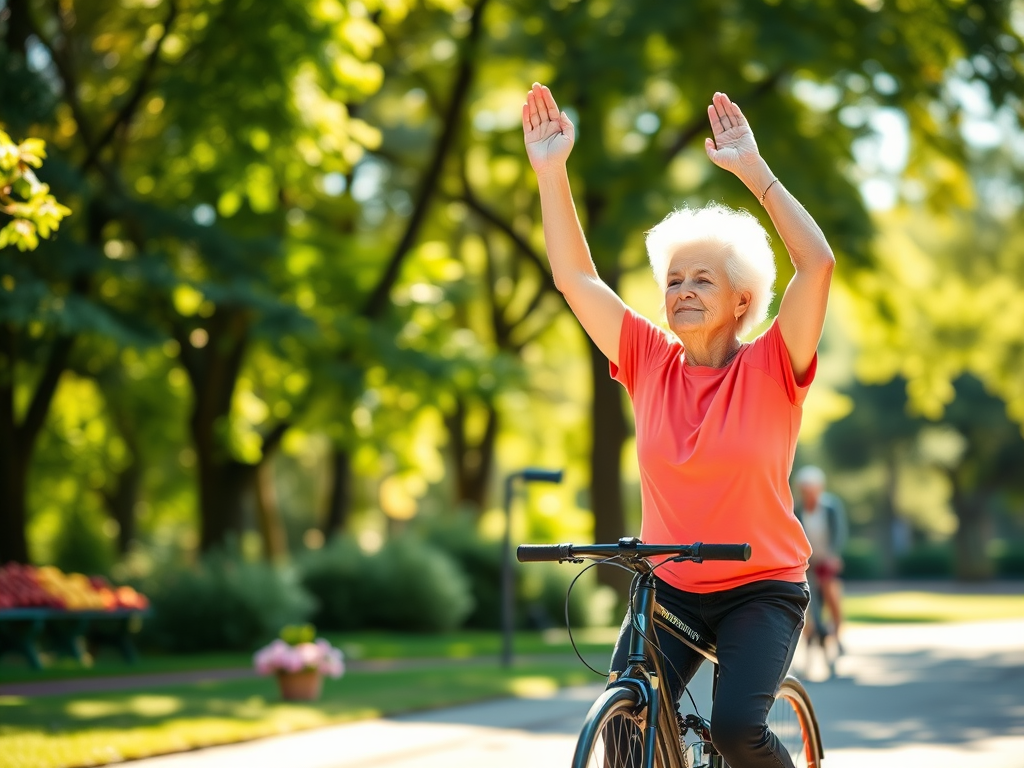
What is Healthy Aging Month?
Each September, Healthy Aging Month reminds us that getting older doesn’t mean slowing down—it means finding smarter ways to live vibrantly, protect independence, and enjoy quality of life. This awareness campaign, launched by the Healthy Aging® organization, focuses on wellness practices that enhance physical, mental, and social health as we age.
The message is clear: it’s never too late to take charge of your health. Whether you’re in your 40s, 60s, or beyond, small choices can make a big difference in how gracefully and actively you age.

Key Strategies for Maintaining Health and Independence
1. Prioritize Physical Activity
Regular movement keeps muscles strong, bones dense, and joints flexible. Exercise also boosts mood, brain function, and cardiovascular health.
- Strength Training: Helps maintain muscle mass and prevents falls.
- Aerobic Activity: Walking, swimming, or cycling supports heart and lung health.
- Balance & Flexibility: Yoga or tai chi improve stability and reduce injury risk.
- Tip: Aim for at least 150 minutes of moderate activity weekly, broken into manageable sessions.

This Wave Pad is great for your body! It helps with your circulation and lymphatic system. Great for bones and joints. Visit the link to discover all of its benefits!
2. Nourish Your Body with Whole Foods
Nutrition becomes increasingly important as the body ages. Eating nutrient-dense foods helps prevent chronic conditions like heart disease, diabetes, and osteoporosis.
- Fruits and Vegetables: Rich in antioxidants that fight oxidative stress.
- Lean Proteins: Support muscle maintenance and repair.
- Whole Grains: Provide fiber for digestive health and stable energy.
- Healthy Fats: Omega-3 fatty acids (from fish, walnuts, flaxseeds) reduce inflammation.
- Hydration: Dehydration is common among older adults—drink water regularly throughout the day.
3. Keep the Brain Engaged
Cognitive health is just as important as physical health. Staying mentally active reduces the risk of dementia and keeps memory sharp.
- Lifelong Learning: Take classes, read books, or learn new skills.
- Puzzles & Games: Crosswords, Sudoku, or memory games boost brain connections.
- Social Interaction: Regular contact with friends and family supports emotional and cognitive well-being.

Fresh Cap Lion’s Mane Historically, Lion’s Mane was reserved for royalty and used for centuries for its anti-microbial and immunological activity. Today, this powerful mushroom is used to support cognitive function, nerve health and more.
4. Focus on Preventive Care
Regular medical checkups and screenings can catch potential issues early.
- Annual Physicals: Monitor blood pressure, cholesterol, and blood sugar.
- Screenings: Colonoscopies, mammograms, prostate checks, and bone density tests depending on age and gender.
- Dental and Vision Care: Oral and eye health are crucial for maintaining independence.
5. Sleep Well
Quality sleep allows the body to repair itself, improves memory, and supports emotional balance. Older adults may find their sleep patterns shift, but aiming for 7–9 hours per night remains ideal. Good habits include:
- Limiting caffeine late in the day.
- Keeping a consistent bedtime.
- Creating a relaxing evening routine.

GNC Melatonin Natural Supplement that helps you sleep
6. Manage Stress and Mental Health
Chronic stress accelerates aging and weakens the immune system. Prioritize mental health through:
- Meditation or deep breathing exercises.
- Spending time outdoors.
- Connecting with loved ones.
- Seeking professional help if anxiety or depression persist.
Vitamins and Supplements for Healthy Aging
While whole foods are the best source of nutrients, certain vitamins and supplements support healthy aging, especially when dietary intake is insufficient. Always consult a healthcare provider before starting new supplements.
- Vitamin D: Supports bone health, immune function, and mood. Many adults over 50 are deficient.
- Calcium: Essential for strong bones and preventing osteoporosis.
- Vitamin B12: Important for energy and nerve health; absorption decreases with age.
- Magnesium: Aids muscle function, heart health, and sleep quality.
- Omega-3 Fatty Acids: Reduce inflammation and support heart and brain health.
- Probiotics: Promote gut health, which influences immunity and digestion.
- Collagen: May help with joint flexibility and skin elasticity.

BelliWelli Great supplement that has fiber, probiotics, collagen, and electrolytes!
Organizations Involved in Healthy Aging
Several organizations are at the forefront of promoting healthy aging practices:
- Healthy Aging® – Founder of Healthy Aging Month, offering educational campaigns and resources.
- National Institute on Aging (NIA) – Part of the NIH, leading research on aging and age-related diseases.
- World Health Organization (WHO) – Promotes global strategies for active and healthy aging.
- AARP (American Association of Retired Persons) – Provides resources, advocacy, and tools for older adults.
- Centers for Disease Control and Prevention (CDC) – Offers health guidelines for older adults, including fall prevention and vaccination awareness.
These organizations work together to provide resources, programs, and advocacy that help older adults maintain health and independence.

More Useful Tips for Thriving as You Age
- Stay Socially Connected: Isolation can negatively impact health. Join clubs, volunteer, or participate in community events.
- Adapt Your Home: Ensure safe living spaces—add grab bars, good lighting, and remove tripping hazards to prevent falls.
- Stay Tech-Savvy: Learning new technology helps maintain independence, from telehealth appointments to staying in touch with family.
- Limit Alcohol and Quit Smoking: Both accelerate aging and raise the risk of chronic disease.
Conclusion
Healthy Aging Month is more than a reminder—it’s a call to action. By making intentional lifestyle choices, staying active, and prioritizing nutrition, older adults can remain independent, strong, and mentally sharp well into their later years. Vitamins and supplements can help fill nutritional gaps, while organizations like Healthy Aging®, NIA, and WHO provide valuable guidance and resources.
Aging is inevitable, but how we age is largely up to us. By embracing these strategies, every September—and every month after—can be a celebration of resilience, vitality, and lifelong wellness.
I am an affiliate marketer who uses affiliate links. Any support you give is very appreciated! Have a wonderful day and cheers to your future years and better health!




Leave a Reply